

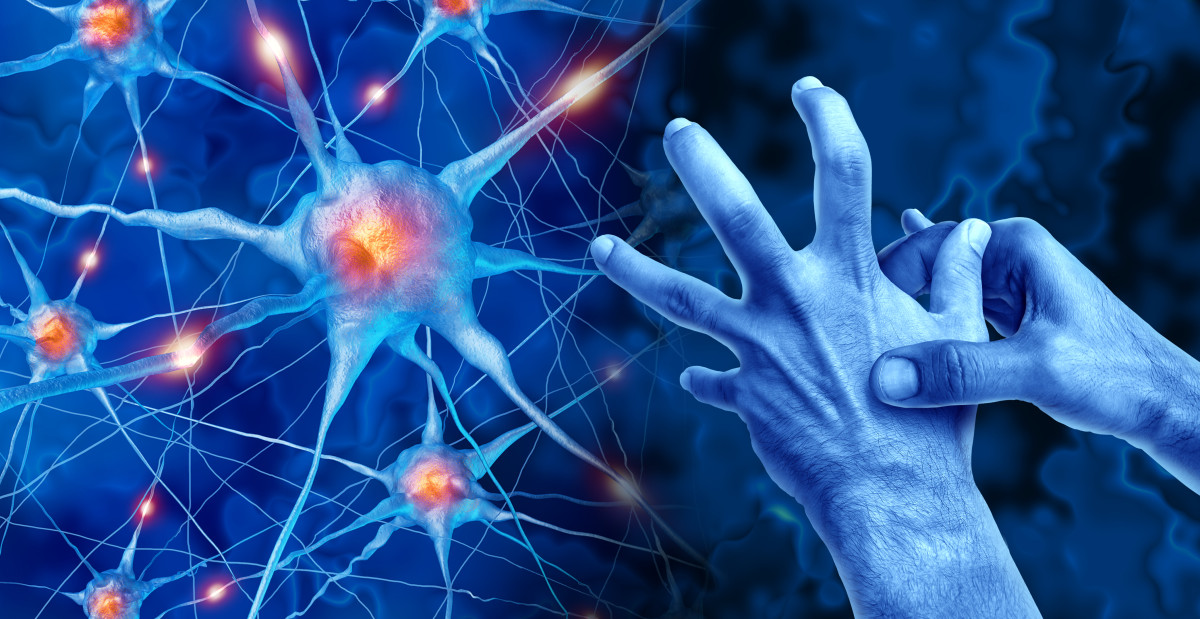
Cell Therapy for Parkinson Symptoms
For many people living with Parkinson’s, the hardest part is not the diagnosis itself. It is the slow narrowing of daily life – the stiffness that makes mornings longer, the tremor that turns simple tasks into effort, and the growing sense that standard treatment may help control symptoms without changing the bigger picture. That is why interest in cell therapy for Parkinson symptoms continues to grow among patients seeking a more advanced, restorative path.
Parkinson’s disease is a progressive neurological condition that primarily affects movement, but it rarely stops there. As the condition develops, patients may experience tremor, rigidity, slowness of movement, balance problems, fatigue, sleep disruption, mood changes, and reduced independence. Conventional medications can be valuable and, for many people, essential. Still, their benefit may fluctuate over time, and they do not usually repair the underlying loss of function within the nervous system.
Why cell therapy for Parkinson symptoms is gaining attention
The appeal of regenerative medicine in Parkinson’s care is straightforward. Rather than focusing only on replacing dopamine or suppressing visible symptoms, cell-based approaches aim to support repair, reduce inflammatory stress, and improve the biological environment around vulnerable neural tissue. That distinction matters to patients who are not simply looking for temporary symptom relief, but for broader support of mobility, coordination, and quality of life.
Cell therapy is an umbrella term, and not every approach works the same way. In regenerative practice, treatment may involve mesenchymal stem cells or other specialized cellular therapies chosen for their ability to modulate inflammation, release growth factors, and support tissue recovery. These cells are not a magic fix, and they are not a guaranteed reversal of Parkinson’s disease. What they may offer, in the right clinical setting, is a medically progressive option designed to assist the body’s own healing and regulatory mechanisms.
That difference between hope and hype is important. Parkinson’s is complex. Symptoms vary widely, disease progression is not identical from one patient to another, and response to advanced therapies depends on timing, severity, general health, and treatment design. The best conversations around regenerative care are honest about both promise and limits.
How cell therapy may help Parkinson’s symptoms
Parkinson’s is commonly associated with the loss of dopamine-producing neurons, but the disease process involves more than one pathway. Neuroinflammation, oxidative stress, mitochondrial dysfunction, and changes in neural signaling may all contribute to ongoing decline. A regenerative treatment strategy is appealing because it can be designed to address several of these processes at once.
Mesenchymal stem cells, for example, are often discussed for their signaling activity rather than as simple replacement cells. They may release bioactive factors that support a healthier tissue environment, calm inflammatory responses, and encourage repair mechanisms already present in the body. For some patients, this may translate into support for motor function, reduced stiffness, better movement quality, or improved day-to-day resilience.
It is also relevant that symptom burden in Parkinson’s extends beyond motion. Fatigue, sleep quality, physical endurance, and overall vitality can shape how a person functions just as much as tremor severity. This is one reason regenerative clinics often take a wider view of treatment. The goal is not only to target a diagnosis, but to improve the patient’s functional capacity and sense of wellbeing.
That said, expectations must stay grounded. Cell therapy for Parkinson symptoms is not interchangeable with standard neurologic care, and it is not a replacement for careful medical oversight. In many cases, it is best understood as an adjunctive option within a broader, personalized treatment plan.
What patients should look for in a treatment program
Not all regenerative programs are equal, and this is where sophistication matters. A high-quality clinic will not present cell therapy as a one-size-fits-all intervention. It should begin with medical review, symptom history, current medications, disease stage, imaging or neurologic findings where appropriate, and a realistic discussion of goals.
The treatment source, processing standards, physician supervision, and route of administration all influence the clinical experience. Some programs may combine cellular therapy with infusion-based support, rehabilitation planning, nutritional strategies, or anti-inflammatory interventions to create a broader recovery environment. For Parkinson’s patients, this integrated thinking can be especially valuable because symptoms are systemic in impact, even when the disease is neurologic in origin.
Patients should also ask practical questions. What outcomes are being monitored? How many sessions are recommended? Over what timeline might changes be noticed? Is the aim to improve walking, reduce rigidity, support energy, or enhance overall function? Premium medical care should feel personalized, not vague.
A responsible provider will also explain that improvement, when it occurs, may be gradual rather than immediate. Some patients report changes in mobility or energy within weeks, while others require a longer observation period. There are also cases where benefit is modest. Honest medicine leaves room for that reality.
Cell therapy for Parkinson symptoms and the value of personalization
One reason patients pursue private regenerative care is that Parkinson’s does not look the same in every person. One patient may be most troubled by tremor, another by freezing episodes, and another by fatigue and instability. A standardized symptom-management model can miss those differences.
Personalized cell therapy programs are built around the individual rather than the label alone. Age, coexisting inflammation, immune status, vascular health, activity level, and duration of disease may all shape how a program is designed. This tailored approach is particularly attractive for patients who want treatment that feels both medically advanced and biologically natural.
In a clinic setting focused on regenerative medicine, the conversation often shifts from managing decline to supporting restoration wherever possible. That does not mean promising the impossible. It means looking for opportunities to improve the terrain of health – neural support, inflammation balance, tissue signaling, recovery potential, and functional strength. For many patients, that perspective is deeply meaningful.
At CellStemClinic, this philosophy aligns with a broader commitment to physician-led regenerative care that is designed around the patient’s condition, goals, and long-term wellbeing. For individuals exploring options beyond conventional pathways, that level of customization can be a decisive factor.
Who may consider this approach
Patients usually explore cell-based therapy when medication no longer feels sufficient, when side effects become limiting, or when they want to act earlier and more proactively. Others are newly diagnosed and interested in advanced strategies that may support function before disability becomes more significant. There are also caregivers who begin the search after noticing a loved one’s confidence and independence beginning to fade.
The most suitable candidates are often those who understand both the innovation and the uncertainty involved. They are not looking for empty claims. They want a serious clinical discussion about whether regenerative therapy may fit their case, what level of evidence exists, and what a realistic treatment pathway might involve.
This approach may be especially relevant for patients who value comprehensive wellness alongside neurological support. Better sleep, improved stamina, reduced systemic inflammation, and stronger recovery capacity may not cure Parkinson’s, but they can influence how a patient feels and functions. In real life, those gains matter.
The trade-offs patients deserve to understand
Regenerative medicine is compelling, but it is still a field where quality varies and expectations need discipline. Cell therapy can be costly, particularly in private international settings. Access is not equal, protocols are not universally standardized, and outcomes may differ from one patient to another.
There is also a difference between early scientific promise and guaranteed clinical effect. Patients should be cautious of any provider who suggests certainty in a disease as complex as Parkinson’s. The stronger position is a transparent one: advanced cell therapy may offer meaningful support for selected patients, but it requires careful case selection, strong medical governance, and a willingness to measure results honestly.
For many people, however, that trade-off is still worth exploring. When standard care feels limited to symptom cycling and medication adjustment, regenerative treatment offers something different – the possibility of biological support aimed at healing, protection, and improved function.
The right next step is not to chase a miracle. It is to ask a better question: what kind of treatment plan gives this nervous system the best chance to function well for as long as possible? For patients living with Parkinson’s, that shift in mindset can open a more hopeful and more proactive path forward.

