

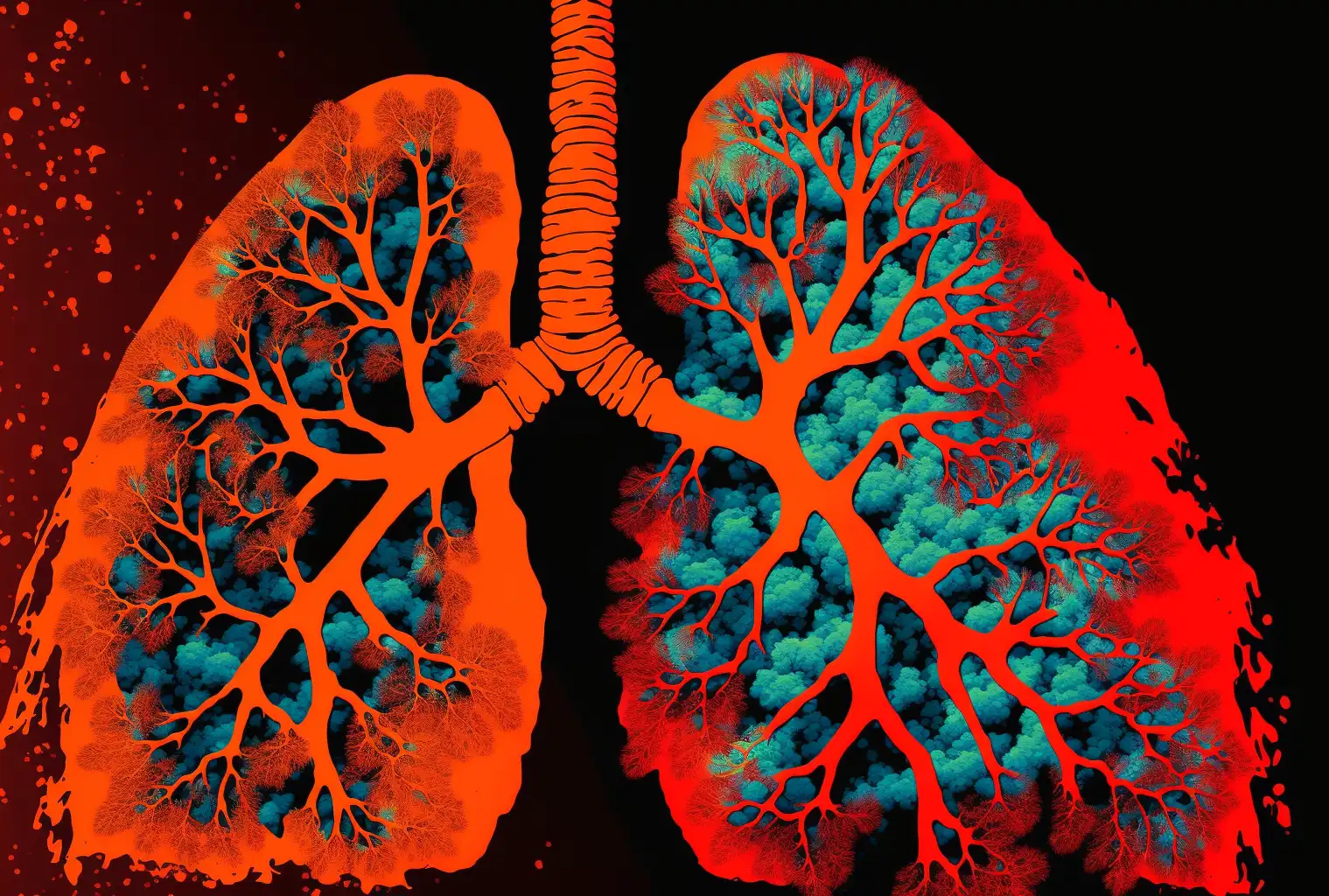
Stem Cell Therapy for COPD Explained
Breathing changes a person’s world in quiet, relentless ways. Walking across a parking lot feels longer. Stairs become a calculation. Even a mild cold can turn into weeks of chest tightness and fatigue. For many patients living with chronic obstructive pulmonary disease, the real burden is not only the diagnosis itself, but the gradual loss of confidence in what the body can still do. That is why interest in stem cell therapy for COPD has grown so quickly among patients looking for more than symptom management.
COPD is a progressive lung condition that typically includes chronic bronchitis, emphysema, or a combination of both. Conventional care remains essential. Inhalers, pulmonary rehabilitation, oxygen support, smoking cessation, and careful medical supervision can all improve daily function and help reduce flare-ups. Yet many patients reach a point where they want to ask a different question: can the body be supported at a deeper, regenerative level rather than simply stabilized?
What stem cell therapy for COPD aims to do
Stem cell therapy for COPD is being explored as an advanced regenerative approach designed to support the body’s own repair processes. In this setting, the focus is often on mesenchymal stem cells, which are known for their anti-inflammatory, immunomodulatory, and tissue-supporting properties. These cells are not viewed as a simple replacement for damaged lung tissue in a one-to-one sense. The science is more nuanced than that.
Instead, much of the clinical interest centers on how these cells may influence the environment inside the lungs and throughout the body. COPD is not only a disease of airflow limitation. It is also marked by chronic inflammation, oxidative stress, tissue injury, and impaired healing. Stem cell-based therapies are being investigated because they may help calm inflammatory signaling, support microvascular health, and encourage more favorable repair responses.
This distinction matters. Patients sometimes expect regeneration to mean immediate rebuilding of severely damaged lungs. That is not how treatment should be framed. A more realistic and medically responsible perspective is that cellular therapy may help support function, resilience, and quality of life in selected patients, especially when used as part of a broader physician-led treatment plan.
Why patients with COPD look beyond standard care
Most people considering regenerative treatment are not rejecting conventional medicine. They are often already using it. They may be following their pulmonologist’s advice, taking prescribed medications, and still feeling limited by shortness of breath, low stamina, frequent infections, or reduced exercise tolerance. In that context, advanced biologic therapy can become appealing because it speaks to an unmet need.
Patients are often looking for three things at once. They want to breathe more comfortably, preserve independence, and avoid further decline if possible. That does not mean every patient is an ideal candidate, and it does not mean every case will respond the same way. COPD varies widely in severity, cause, age of onset, smoking history, and overall health burden. A personalized review is essential.
For some, the appeal is also philosophical. Regenerative medicine is attractive because it works with biological signaling and self-repair rather than only suppressing symptoms. That approach feels more aligned with long-term restoration, especially for patients who want medically progressive care without moving immediately toward more invasive options.
How treatment is typically approached
In a private regenerative setting, the process usually begins with an in-depth medical review. Lung history, imaging, current medications, prior hospitalizations, oxygen dependence, functional limitations, and coexisting conditions all influence whether a patient may be suitable for treatment. The best programs are not one-size-fits-all. They are designed around disease stage, patient goals, and overall resilience.
Stem cell therapy itself is commonly delivered through medically supervised infusion-based protocols, although exact methods can vary. The aim is to introduce carefully prepared cells that may support systemic anti-inflammatory activity and regenerative signaling. Some clinics may also combine therapy with broader supportive strategies intended to strengthen recovery, improve circulation, reduce inflammatory burden, and enhance general vitality.
This is one reason premium clinics appeal to international patients. They are often seeking more than a standalone procedure. They want a customized treatment pathway, medical oversight, and a setting that takes both disease management and whole-body restoration seriously.
What benefits are realistically possible
The most responsible way to talk about outcomes is to separate possibility from promise. Stem cell therapy for COPD is not a guaranteed cure. It should not be presented that way. Lung damage in COPD can be extensive and longstanding, and results depend on many factors including disease severity, age, inflammation level, smoking status, and overall metabolic health.
That said, patients pursuing regenerative care are often interested in potential improvements such as better exercise tolerance, reduced breathlessness with activity, fewer inflammatory flare-ups, improved energy, and a stronger sense of physical capacity. Some patients also hope for better recovery after infections and a slower trajectory of decline. These goals are meaningful because even modest changes in breathing comfort can have a major impact on daily life.
The timeline also varies. Cellular therapies are generally not framed as instant-result treatments. Their role is to support biologic processes that unfold over time. Some patients report gradual changes rather than dramatic shifts, which is why follow-up and expectation setting are so important.
The science is promising, but still developing
This is where honest discussion matters. Regenerative medicine for pulmonary disease is one of the most compelling areas in modern biologic therapy, but it is also a field that continues to evolve. Research has explored safety, inflammatory modulation, and functional outcomes, yet not every study shows the same degree of benefit. Trial design, cell source, dosing strategy, patient selection, and outcome measures all influence what can be concluded.
For patients, the practical takeaway is simple. Promise exists, but precision matters. The quality of the clinical setting, the experience of the medical team, and the appropriateness of the patient selection process are not minor details. They are central to whether a treatment approach is credible and responsible.
That is especially true in COPD, where advanced disease may involve not only the lungs, but also muscle wasting, cardiovascular strain, fatigue, and reduced physiologic reserve. A clinic offering stem cell treatment should understand that the patient in front of them is not just a diagnosis. They are often dealing with layered, chronic stress on the whole body.
Who may be a candidate for stem cell therapy for COPD
Not every patient with COPD will be equally suited for regenerative care. In general, candidacy depends on the severity and stability of the condition, the presence of active infection, smoking status, medical history, and treatment goals. Patients who are medically stable enough for evaluation and who are seeking adjunctive support rather than emergency rescue care are usually the most appropriate to assess.
Motivation also matters. The patients who tend to approach this space thoughtfully are those willing to engage in a broader health strategy. That may include pulmonary rehabilitation, nutrition support, inflammation control, sleep optimization, and consistent follow-up. Regenerative medicine works best when it is part of a disciplined, physician-guided plan rather than treated as a shortcut.
At CellStemClinic, this kind of treatment philosophy aligns naturally with the wider goal of restoration. Advanced cellular care is most meaningful when it is integrated with personalized medicine, careful monitoring, and a genuine commitment to improving both function and quality of life.
Questions patients should ask before moving forward
Any patient considering treatment should ask how cells are sourced, how the protocol is supervised, what safety screening is used, and what outcomes are considered realistic for their stage of disease. They should also ask what role standard COPD care will continue to play after treatment. A trustworthy clinic will welcome those questions.
Patients should be cautious of language that sounds absolute. COPD is complex. Some people may experience noticeable functional benefits, while others may see subtler changes. Some may be better served by a supportive wellness and anti-inflammatory program first, followed by regenerative therapy once they are medically optimized. It depends on the person, not only the procedure.
That is why the right conversation is not, “Will this cure my COPD?” A better question is, “Could this treatment support my lungs, reduce inflammatory burden, and improve how I function day to day?” For many patients, that is the more meaningful standard.
When breathing has become smaller, people start wanting life to feel bigger again. Advanced regenerative medicine cannot erase every limit, but it may offer a thoughtful path for patients who want to pursue repair, resilience, and a more active future under experienced medical care.

