

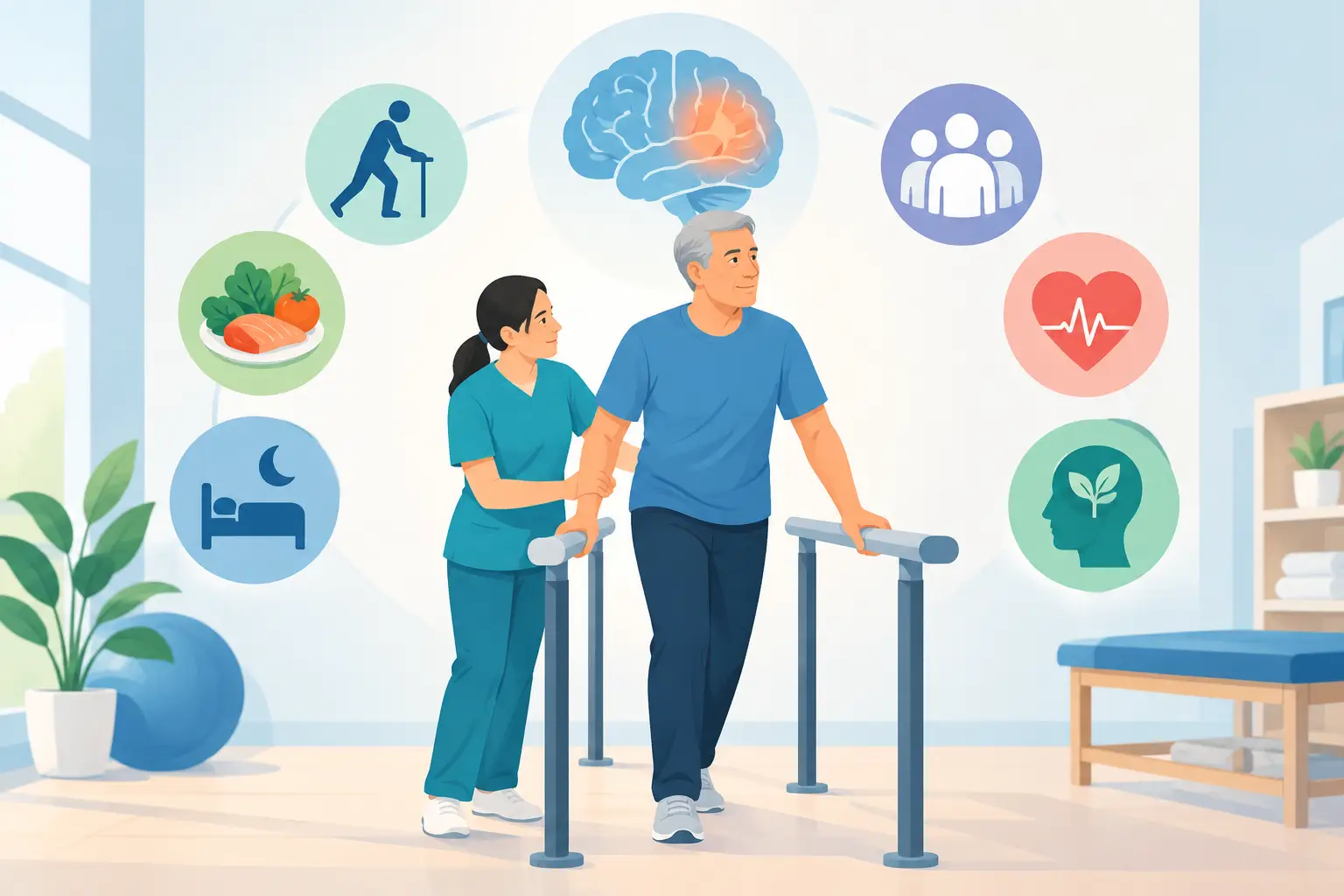
What Really Shapes Stroke Recovery Outcomes?
A stroke can change a life in minutes, but recovery rarely follows a simple or predictable path. Stroke recovery outcomes may include regaining independent movement and communication, adapting to lasting changes, preventing another stroke, and restoring confidence in everyday life. For patients and families, the most meaningful question is not simply whether recovery is possible. It is which functions can improve, what support is needed, and how to make every stage of care count.
What Shapes Stroke Recovery Outcomes?
The location and extent of the brain injury have a major influence on recovery. A small stroke in an area controlling hand movement may create a very different challenge from a stroke affecting language, balance, vision, swallowing, memory, or emotional regulation. Ischemic strokes, caused by a blocked blood vessel, and hemorrhagic strokes, caused by bleeding in the brain, can also have different clinical courses.
Timing matters. Rapid emergency treatment can limit injury in eligible patients, while early medical stabilization helps protect the brain and body during a vulnerable period. Yet the care received after hospitalization is equally consequential. Focused rehabilitation, rigorous risk-factor management, nutrition, sleep, social support, and sustained participation all shape the longer-term picture.
Age can influence recovery, but it is not a verdict. Overall health, pre-stroke activity level, cardiovascular status, cognition, mood, and the ability to participate in therapy often matter more than age alone. Two people with a similar scan can have very different recovery experiences because the brain, body, and rehabilitation environment are never identical.
Recovery is more than walking again
Walking independently is a valuable milestone, but it is only one measure of progress. A complete assessment may consider arm and hand function, speech and language, swallowing, vision, sensation, bladder control, memory, fatigue, sleep, anxiety, depression, and the ability to return to work, hobbies, travel, or family roles.
Some improvements are highly visible, such as standing from a chair without assistance. Others are quieter but just as significant: needing less time to find words, preparing a meal safely, tolerating a busy environment, or feeling less exhausted after a short outing. Premium, personalized stroke care should recognize the goals that matter to the individual, rather than reducing success to a single score.
The Brain Can Adapt, but It Needs the Right Signals
Recovery is supported by neuroplasticity, the brain’s capacity to reorganize and build new pathways in response to practice and experience. Damaged brain tissue may not simply return to its former state. Instead, surviving networks can sometimes take on new roles, and patients can learn new strategies for movement, communication, and daily activities.
This is why repetition with purpose is central to rehabilitation. Physical therapy can address mobility, strength, balance, endurance, and safe transfers. Occupational therapy focuses on practical tasks such as dressing, eating, writing, and managing the home. Speech-language therapy may support communication, cognition, voice, and swallowing. The ideal mix depends on the patient’s needs, not a fixed package of appointments.
More therapy is not automatically better if it leads to pain, burnout, or disengagement. The most effective program is usually challenging enough to encourage adaptation, while realistic enough to be sustained. High-quality care adjusts intensity as function, fatigue, motivation, and medical stability change.
The timeline is individual
The first weeks and months after a stroke are often a period of rapid change. Many patients make meaningful gains during this phase as swelling settles, medical complications are addressed, and structured rehabilitation begins. That does not mean the opportunity for progress closes after several months.
Later improvement can still occur, particularly when therapy is targeted, consistent, and tied to meaningful goals. A patient who has plateaued with a generic program may benefit from a fresh assessment of gait mechanics, spasticity, shoulder pain, communication barriers, sleep disruption, medication effects, or untreated mood symptoms. Progress may be slower later on, but slower is not the same as impossible.
Preventing a Second Stroke Protects Recovery
A recovery plan must look forward as well as backward. A recurrent stroke can reverse hard-won gains, which makes prevention a core part of protecting function and quality of life. The appropriate strategy depends on the cause of the original stroke and should be directed by the treating medical team.
Blood pressure control, diabetes management, cholesterol treatment, smoking cessation, heart-rhythm evaluation, healthy weight, regular movement, and appropriate medications may all be relevant. Some patients need treatment for carotid artery disease or atrial fibrillation. Others need closer attention to sleep apnea, alcohol intake, chronic inflammation, or medication adherence.
Families often focus on rehabilitation exercises while overlooking these drivers of vascular health. Both matter. A patient may work diligently to improve balance and still remain at unnecessary risk if blood pressure, heart health, or metabolic factors are not being actively managed.
Regenerative Medicine: A Careful, Individualized Discussion
Interest in regenerative medicine for neurological recovery is understandable. Stem cells, progenitor cells, extracellular signaling, and biologic therapies are being studied for their possible roles in modulating inflammation, supporting vascular repair, and influencing the environment in which neural recovery occurs. This is an evolving area of medicine, not a substitute for emergency stroke care or evidence-based rehabilitation.
For selected patients, a specialist regenerative consultation may help clarify whether an adjunctive biologic approach is appropriate to discuss alongside conventional care. That discussion should be medically supervised and include a review of stroke type, timing, neurological deficits, medications, cardiovascular risk, rehabilitation progress, imaging when available, and realistic goals.
Current evidence does not support promising a cure, guaranteed nerve regeneration, or restoration of lost function from cellular therapies. Results may vary considerably, and treatment availability, regulatory status, and evidence standards differ by country. Patients should be wary of programs that encourage them to stop prescribed medication, delay rehabilitation, or commit to treatment without a thorough medical evaluation.
At CellStemClinic, the most responsible regenerative approach begins with personalization: understanding the patient’s clinical history, current functional barriers, and wider health priorities before considering any advanced treatment pathway. For many people, the value of this process lies in seeing recovery as a whole-body challenge involving brain health, circulation, inflammation, mobility, energy, and long-term prevention.
Building a Recovery Plan That Fits Real Life
The strongest care plans connect clinical goals to daily life. A retired patient may prioritize walking outdoors, using a dominant hand, and staying socially active. A business owner may need better speech fluency, cognitive stamina, and confidence in meetings. Someone caring for grandchildren may focus on balance, endurance, and safe driving assessments.
Caregivers also need to be included. They often manage medications, appointments, meals, mobility support, and emotional reassurance while carrying substantial stress themselves. Clear training, respite, and honest conversations about capacity can protect both the patient and the family relationship.
Recovery also has an emotional dimension. Grief, frustration, personality changes, fear of recurrence, and loss of identity are common after stroke. Addressing depression, anxiety, and isolation is not separate from physical recovery. Motivation, sleep, participation, and cognitive performance can all be affected by emotional health.
A useful plan is reviewed regularly rather than set once and forgotten. If progress slows, the question should not be, “Has recovery failed?” It should be, “What is now limiting progress?” The answer may be physical, neurological, medical, psychological, or practical, and it may be treatable.
The most encouraging perspective is also the most honest: stroke recovery is not a race against another patient’s timeline. With skilled rehabilitation, vigilant prevention, and carefully selected specialist support, each new gain can become a foundation for greater independence and a fuller life.

