

Umbilical Cells Versus Bone Marrow: Key Differences
For patients considering biologic treatment, the question of umbilical cells versus bone marrow is not simply about choosing the newest option. These sources differ in where they come from, how they are prepared, which cells and signaling factors they contain, and what may be appropriate for an individual treatment plan. A meaningful comparison begins with clear terminology, realistic expectations, and a physician-led assessment of the condition being treated.
Umbilical Cells Versus Bone Marrow: What Is Being Compared?
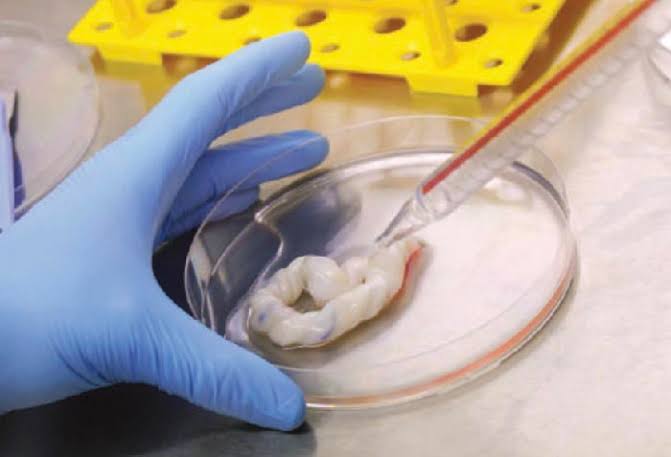
“Umbilical cells” commonly refers to cellular products derived from donated umbilical cord tissue, especially the gelatinous connective tissue known as Wharton’s jelly. This tissue can contain mesenchymal stromal cells, often called MSCs, as well as extracellular matrix components and bioactive signaling molecules. Umbilical cord blood is a separate source, valued primarily for hematopoietic stem cells that form blood and immune cells.
Bone marrow-based treatment is different. Bone marrow concentrate, or BMC, is generally created by drawing marrow from the patient’s pelvic bone and concentrating the aspirate during the same procedure. It is an autologous preparation, meaning it comes from the patient. BMC is not a purified stem cell product. It is a biologically mixed concentrate that may include blood-forming cells, progenitor cells, platelets, growth factors, and a relatively small number of mesenchymal stromal cells.
That distinction matters. Comparing a processed, donor-derived umbilical tissue product with a same-day bone marrow concentrate is not an exact cell-for-cell comparison. Each approach has a different biological profile and clinical workflow.
Source and Treatment Experience
Bone marrow concentrate begins with a minimally invasive aspiration, most often from the back of the pelvis. The procedure is performed under local anesthesia, sometimes with additional sedation depending on the setting and patient needs. Because the material is sourced from the individual, there is no donor matching process. The trade-off is that the collection step can cause temporary soreness, bruising, or discomfort at the harvest site.
Umbilical tissue-derived products are obtained from screened, donated birth tissue after a healthy delivery, with informed maternal consent. They are prepared under controlled processing conditions and are intended to be used as an allogeneic, or donor-derived, biologic material. For the patient, this eliminates the need for marrow aspiration, which can be appealing when comfort, age, frailty, or multiple treatment areas are considerations.
Convenience alone should not decide the issue. Donor screening, processing standards, sterility testing, storage, traceability, and product handling are central to safety. Patients should understand exactly what is being proposed: fresh cells, cryopreserved cells, a tissue allograft, an acellular product, or a preparation containing growth factors rather than viable cells. These terms are often used loosely in regenerative medicine marketing, yet they describe very different products.
Cell Activity and Regenerative Potential
MSCs are of interest because of their signaling behavior. Rather than acting only as replacement cells, they may communicate with surrounding tissue through soluble factors and extracellular vesicles. In laboratory and early clinical research, these signals have been associated with modulation of inflammation, support for tissue repair, and interaction with immune and vascular pathways.
Umbilical tissue-derived MSCs are often described as more biologically youthful because they originate at birth rather than after decades of aging, inflammation, medication exposure, or chronic disease. They may show strong expansion and signaling characteristics in laboratory settings. This does not mean they are automatically more effective for every person or diagnosis. Laboratory properties do not reliably predict outcomes in every clinical setting.
With bone marrow concentrate, the patient’s own biology is part of the equation. Age, metabolic health, smoking status, medications, chronic inflammation, and the quality of the marrow sample can influence the cellular composition of BMC. For a younger, healthy athlete with a focused orthopedic concern, an autologous approach may be particularly attractive. For an older patient with widespread degenerative changes or a condition that makes harvesting less desirable, a donor-derived approach may be considered differently.
Where Bone Marrow Concentrate May Fit
BMC has been used most commonly in orthopedic and musculoskeletal settings, including treatment programs designed to support joints, tendons, ligaments, and recovery after injury. Its appeal is rooted in its autologous nature and the ability to prepare it on the day of treatment. Depending on the clinical plan, it may be injected into a specific anatomical area or used alongside platelet-rich plasma and rehabilitation strategies.
The limitations deserve equal attention. A concentrated marrow aspirate varies from patient to patient and does not guarantee tissue restoration. It should not be portrayed as a proven cure for arthritis, spinal disease, or chronic pain. Outcomes can depend on the diagnosis, severity of structural damage, injection technique, mechanical loading, physical therapy, and the patient’s overall health.
For some patients, BMC is a logical regenerative adjunct. For others, the harvest procedure, limited cell yield, or systemic nature of their concerns may lead a physician to discuss other options.
Where Umbilical Tissue-Derived Approaches May Fit
Umbilical tissue-derived cellular approaches may be considered in programs focused on inflammatory balance, recovery support, and broader regenerative goals. Their donor-derived nature means treatment does not depend on the patient having an optimal marrow yield at the time of care. This can be relevant for adults managing age-related decline, chronic inflammation, or complex health histories.
However, the appropriate route and purpose of administration require careful medical judgment. A local joint concern is not evaluated the same way as a systemic wellness objective, and neither should be approached with one-size-fits-all promises. A credible treatment program should explain the proposed mechanism, the reason for the selected product and route, expected time course, alternative options, and the uncertainty that remains.
For U.S. patients especially, regulatory status must be discussed openly. A product derived from donated umbilical tissue is not automatically an FDA-approved stem cell therapy. FDA approval for cord blood products is specific to certain hematopoietic uses, not a blanket approval for MSC-based treatment of orthopedic, neurologic, autoimmune, anti-aging, or other conditions. Evidence and regulatory requirements differ by product, processing method, and intended use.
Safety Is More Than the Source of the Cells
Neither source can be called universally safer without knowing the exact product, procedure, medical history, and treatment environment. With BMC, considerations include aspiration-site pain, bleeding, infection, anesthesia or sedation risks, and the possibility that treatment does not improve symptoms. With donor-derived products, key considerations include donor eligibility, communicable-disease screening, manufacturing quality, storage, product identity, and the potential for immune or inflammatory reactions.
A well-run clinic begins with suitability, not sales. This means reviewing diagnoses, imaging when relevant, current medications, cancer history, autoimmune activity, clotting risk, infections, and realistic treatment goals. It also means identifying when conventional care, surgery, rehabilitation, or specialist referral may be the better next step.
Choosing Between Umbilical Cells and Bone Marrow
The most useful question is rarely, “Which cells are best?” It is, “Which approach, if any, fits my diagnosis, biology, and goals?” Bone marrow concentrate may be compelling when an autologous, localized procedure is appropriate and the patient is comfortable with aspiration. Umbilical tissue-derived options may be of interest when avoiding harvest is a priority or when a clinician believes a donor-derived biologic approach better aligns with the wider treatment strategy.
Cost, travel, recovery time, and the possibility of repeat care also matter in private regenerative medicine. A premium program should be transparent about all of them. Patients should be cautious of claims that one source works for every disease, guarantees regeneration, or can replace a full diagnostic evaluation.
The most productive next step is a detailed consultation that starts with your function, symptoms, medical history, and desired quality of life. When the conversation is grounded in evidence, safety, and individualized care, regenerative medicine can be considered with both genuine optimism and the clinical discernment it deserves.

