

PRP Versus Physiotherapy: Which Supports Recovery?
A painful knee on the stairs, a shoulder that no longer tolerates tennis, or an Achilles tendon that flares after a short run can make one question feel urgent: PRP versus physiotherapy – which approach is more likely to restore comfortable, confident movement? The answer is rarely a simple choice between two competing treatments. PRP and physiotherapy work through different mechanisms, and the most appropriate pathway depends on the tissue involved, the severity and duration of symptoms, imaging findings, health history, and the outcome you want to achieve.
For many people with persistent musculoskeletal pain, the strongest strategy is not choosing one over the other. It is using the right treatment at the right point in a personalized recovery plan.
PRP Versus Physiotherapy: The Essential Difference
Physiotherapy is an active rehabilitation approach. A qualified clinician assesses movement, strength, joint control, posture, load tolerance, and daily habits, then creates a program designed to improve function. Depending on the condition, this may include targeted strengthening, mobility work, manual therapy, balance training, education, and a progressive return to sport or activity.
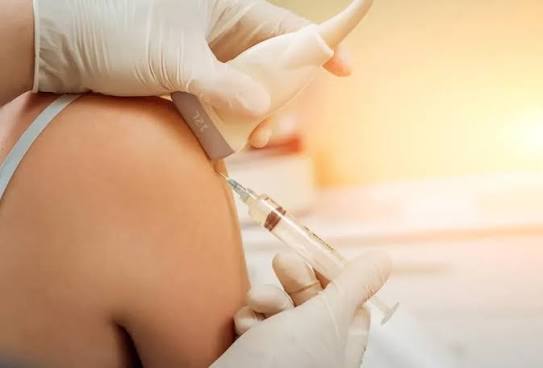
Platelet-rich plasma, or PRP, is an adjunctive biologic procedure. A small sample of your blood is processed to concentrate platelets and growth-factor-rich components, then the prepared PRP is injected into a specific area under appropriate medical guidance. The intention is to support the body’s natural healing response in tissue that may be slow to recover or affected by degeneration.
Physiotherapy changes how the body moves and tolerates load. PRP aims to influence the local biologic environment of an injured or degenerative tissue. One is not automatically better than the other because they solve different parts of the clinical problem.
When Physiotherapy May Be the First Step
For a new injury, mild to moderate pain, loss of conditioning, or symptoms clearly linked to movement habits and overuse, physiotherapy is often an excellent starting point. It offers a structured way to identify what aggravates symptoms and rebuild capacity without jumping immediately to an injection-based procedure.
This matters because many painful conditions are not caused by a single damaged structure alone. Hip pain may involve weakness around the pelvis, reduced mobility, and an abrupt increase in walking or training. Shoulder pain can be influenced by posture, rotator cuff endurance, neck mechanics, and how frequently the arm is loaded overhead. A well-designed rehabilitation plan addresses these contributing factors.
Physiotherapy is also essential after many interventions. Even when pain improves, tissue and movement quality may not automatically normalize. Gradual loading helps patients regain strength, coordination, confidence, and resilience for the activities that matter to them.
It does require commitment. Meaningful progress often depends on regular appointments, consistent home exercises, and patience with gradual progression. If the program is too generic, too aggressive, or not followed consistently, results can be limited. Some patients also reach a plateau despite dedicated rehabilitation, particularly when chronic tendon changes, osteoarthritis, or a focal tissue injury is present.
When PRP May Be Considered
PRP may be considered for selected patients with persistent musculoskeletal symptoms, especially after a careful diagnosis and a period of appropriate conservative care. It is commonly discussed in relation to certain tendon disorders, osteoarthritis-related joint pain, ligament injuries, and soft-tissue conditions, although clinical evidence and expected outcomes vary by diagnosis and injection site.
A PRP consultation should begin with precision, not promises. The clinician needs to understand whether pain is coming from a tendon, joint, bursa, nerve, muscle, or referred source such as the spine. Examination and, when clinically appropriate, imaging can help identify whether an injection is likely to match the underlying problem.
PRP may be particularly relevant when symptoms have become chronic, when a patient has not progressed as expected with high-quality rehabilitation, or when reducing inflammation and restoring function through conventional approaches alone has not delivered the desired improvement. For active adults, it can be appealing because it uses components derived from the patient’s own blood rather than relying on a long-term medication strategy.
However, PRP is not a guaranteed repair, and it is not appropriate for every condition. Protocols differ in platelet concentration, preparation, injection technique, and the number of treatments used. Evidence is stronger for some applications than others, and outcomes can be influenced by age, overall health, tissue quality, smoking status, metabolic health, activity demands, and adherence to rehabilitation after treatment.
Temporary soreness or a pain flare can occur after injection. A thorough medical review is important, particularly for people taking anticoagulants or antiplatelet medications, those with active infection, certain blood disorders, uncontrolled medical conditions, or other factors that may affect suitability.
Why Combining PRP and Physiotherapy Can Be Powerful
For the right candidate, PRP and physiotherapy can be complementary rather than competitive. PRP may support a biologic healing response in a targeted area, while physiotherapy gives that recovering tissue the mechanical stimulus needed to become useful in real life.
Consider a person with chronic Achilles tendinopathy. An injection alone does not correct calf weakness, poor ankle control, an abrupt training increase, or inadequate recovery between workouts. Equally, exercise alone may not always provide enough progress when the tendon has remained painful and degenerative despite a carefully supervised program. A physician-led PRP procedure, followed by a staged rehabilitation plan, may offer a more complete approach in selected cases.
The same principle can apply to knee osteoarthritis. PRP may be used to support symptom management for appropriate patients, while physiotherapy builds quadriceps strength, improves joint control, and helps patients return to walking, cycling, travel, or low-impact exercise with greater confidence. The goal is not simply less pain on a given day. It is better function over time.
Timing matters. Many patients are advised to modify activity immediately after PRP, then reintroduce structured loading according to the treated area and their clinician’s protocol. Starting high-intensity exercise too early can irritate the area. Avoiding all movement for too long can also be counterproductive. A coordinated medical and rehabilitation plan creates a safer path between these extremes.
Choosing the Right Path for Your Condition
The best decision begins with an accurate diagnosis and an honest conversation about goals. Someone seeking to complete a marathon has different rehabilitation needs from someone whose primary aim is to climb stairs without pain or sleep comfortably through the night.
A clinician may consider the duration of symptoms, prior treatment response, physical examination, imaging when needed, medical history, and the presence of mechanical issues. Large tears, significant instability, advanced structural damage, or symptoms caused by nerve compression may require a different pathway entirely. PRP should never delay appropriate surgical, orthopedic, neurologic, or emergency assessment when those are indicated.
It is also wise to examine the quality of the proposed treatment plan. Ask what diagnosis is being treated, why PRP is being recommended, whether image guidance will be used when appropriate, what recovery period is expected, and how rehabilitation will be integrated afterward. A premium regenerative approach should remain medically disciplined: individualized, transparent, and based on clinical suitability rather than a one-size-fits-all protocol.
A Regenerative Perspective on Lasting Mobility
At CellStemClinic, PRP may be considered as part of a broader regenerative medicine conversation for patients seeking advanced, physician-supervised options for musculoskeletal recovery and healthy aging. The objective is to assess the whole person, not simply inject the painful area. Lifestyle, mobility, inflammation, recovery capacity, and long-term functional goals all influence the treatment strategy.
For some patients, the most valuable recommendation will be a focused physiotherapy program. For others, PRP may be a suitable adjunct when conventional care has not provided sufficient relief or when a targeted biologic approach aligns with the diagnosis. In selected situations, other options may need discussion as well.
The most useful next step is not to ask whether PRP or physiotherapy is universally superior. Ask what your body needs to heal, move, and stay active with greater confidence – then choose a medically guided plan that respects both biology and biomechanics.

