

Can Stem Cells Help Mobility? What Science Shows
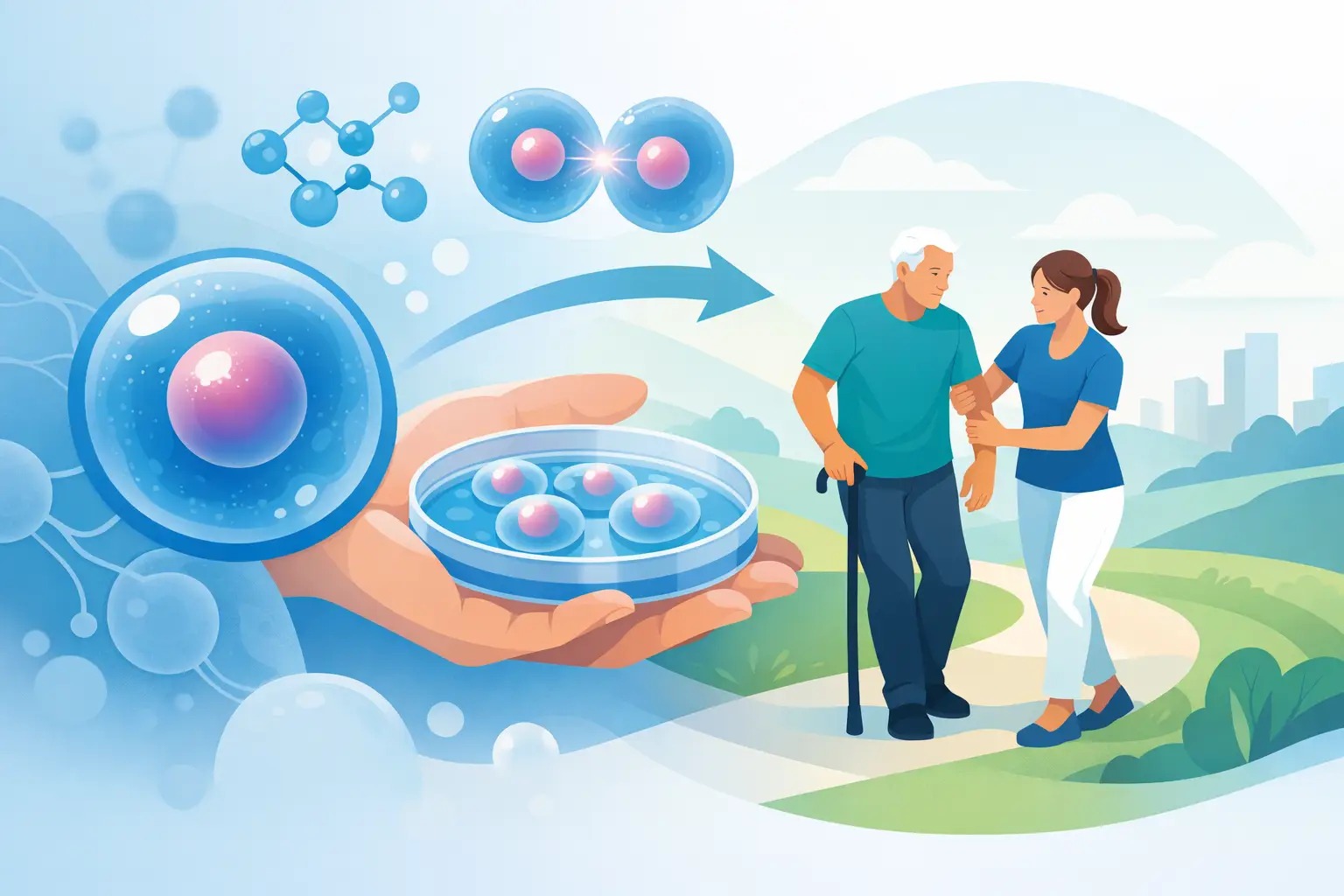
A stiff knee that changes the way you climb stairs, a painful hip that shortens your walking distance, or weakness that makes everyday movement feel uncertain can affect far more than physical comfort. They can narrow independence, confidence, and quality of life. So, can stem cells help mobility? For some carefully selected patients, regenerative medicine may offer a supportive pathway aimed at reducing inflammation, improving the tissue environment, and helping the body’s natural repair processes. The answer is not universal, and it should never be reduced to a promise of a cure.
Why Mobility Declines
Mobility is not controlled by one system. Comfortable, confident movement depends on healthy joints, muscles, tendons, bones, nerves, circulation, balance, and the brain’s ability to coordinate them. When one or more of these systems is affected by injury, age-related degeneration, inflammation, or neurological disease, movement can become limited.
Osteoarthritis is a common example. As joint structures change over time, patients may experience pain, stiffness, swelling, and reduced range of motion. But mobility challenges also arise after sports injuries, from chronic tendon problems, spinal conditions, autoimmune inflammation, peripheral nerve damage, stroke recovery, and neurological disorders.
Conventional care remains essential. Physical therapy, strength training, weight management, medication, orthopedic assessment, and surgery when appropriate all have meaningful roles. Regenerative approaches are not designed to replace sound medical care. They may be considered as part of a broader, physician-led strategy for patients seeking to preserve function, support recovery, or explore advanced options before their mobility deteriorates further.
Can Stem Cells Help Mobility in Degenerative Conditions?
Stem cells are valued in regenerative medicine because they can communicate with surrounding tissues through signaling molecules. Mesenchymal stem cells, in particular, are being studied for their ability to influence inflammation, support immune balance, and encourage repair-related activity in damaged or stressed tissue environments.
This does not mean that an injection simply grows a brand-new joint, repairs every damaged nerve, or reverses an advanced condition. Human biology is more complex. Cartilage, tendons, intervertebral discs, and nerve pathways all heal differently, and the extent of degeneration matters greatly.
The potential mobility-related benefits being investigated and pursued in clinical regenerative settings include less inflammatory discomfort, improved joint function, better tolerance for rehabilitation, and support for soft-tissue recovery. When pain becomes more manageable and movement feels easier, patients may be better able to rebuild strength, gait confidence, and daily activity. Those functional changes can be deeply meaningful, even when imaging findings do not dramatically change.
For patients with osteoarthritis or chronic joint discomfort, the goal is often not to claim a complete reversal of disease. It is to support a healthier joint environment and potentially delay the cycle of pain, inactivity, weakness, and further functional decline. For active adults and athletes, the focus may be on recovery quality, tissue support, and a structured return to movement.
How Regenerative Treatments May Support Movement
A personalized regenerative program can involve more than stem cell-based therapy alone. Depending on the diagnosis, medical history, and treatment goals, clinicians may consider complementary biologic procedures such as platelet-rich plasma (PRP) or bone marrow concentrate (BMC). These approaches use components derived from the patient’s own body and may be selected to support tissue healing and inflammation management.
PRP contains a concentrated volume of platelets and growth factors that can be used in certain musculoskeletal applications. BMC contains a mixture of cells and biologic signaling factors obtained from bone marrow. Each option has different characteristics, and neither is automatically the right choice for every patient.
Stem cell-based programs may be delivered locally to target a specific area or systemically through infusion protocols in selected circumstances. The appropriate route depends on the clinical rationale. A patient with a painful shoulder has very different needs from someone whose mobility limitations are associated with a neurological or systemic inflammatory condition.
At CellStemClinic, treatment planning is built around the principle that regenerative medicine should be individualized rather than standardized. A meaningful plan begins with the cause of mobility limitation, not simply the location of pain.
The Conditions Where Expectations Need Careful Framing
Research into cellular therapies is advancing, but evidence is not equally strong across all conditions. Musculoskeletal uses, especially those involving joints and soft tissues, are among the most common reasons patients seek regenerative consultation. Even here, outcomes can vary according to age, activity level, joint alignment, disease severity, body weight, previous surgery, and rehabilitation commitment.
Neurological conditions require even more careful discussion. Cellular therapies are under investigation for a range of neurological and functional disorders, but claims of restored walking or disease reversal should be approached with caution. Some patients may seek regenerative programs as an adjunct to rehabilitation and specialist neurological care, with goals centered on function, comfort, energy, or quality of life rather than guaranteed recovery.
Mobility impairment caused by severe joint deformity, complete tendon rupture, spinal cord injury, or advanced structural damage may require surgical, neurological, or orthopedic management. A responsible clinic should identify when regenerative treatment is unlikely to provide meaningful benefit and direct the patient toward the most appropriate care.
What a Thoughtful Evaluation Should Include
Before considering any stem cell-based intervention, patients deserve a clear medical assessment and a candid conversation about expected outcomes. The right question is not only, “Can this treatment help?” It is also, “What is most likely limiting my mobility, and what would meaningful improvement look like for me?”
A thorough evaluation should consider:
- The underlying diagnosis, symptom pattern, and duration of limitation
- Imaging, laboratory results, and prior specialist findings where relevant
- Previous treatments, including therapy, medications, injections, and surgery
- Current medications, autoimmune history, cancer history, infection risk, and other safety considerations
- Realistic functional goals, such as walking farther, returning to exercise, reducing reliance on pain medication, or moving more comfortably at home
This process helps distinguish patients who may be suitable for an advanced regenerative program from those who would benefit more from a different intervention. It also establishes a baseline. Mobility is best measured by function: walking tolerance, range of motion, strength, balance, pain during activity, and the ability to participate in life.
Treatment Is Only One Part of Restoring Function
Regenerative medicine may create an opportunity for progress, but treatment is rarely the entire answer. The body needs the right conditions to convert reduced pain or improved tissue tolerance into stronger movement.
Rehabilitation is often central to this process. Guided physical therapy can restore joint mechanics, strengthen muscles that protect vulnerable structures, improve balance, and reduce compensatory movement patterns. Nutrition, sleep, metabolic health, and inflammation management also influence recovery capacity. For patients with excess weight, even gradual weight reduction can meaningfully decrease load on hips, knees, and ankles.
This is where a premium, personalized approach matters. Mobility goals should shape the program from the beginning. A golfer may want rotational comfort and stability. A parent may want to get up from the floor without pain. An older adult may prioritize walking safely through an airport or maintaining independence at home. These goals guide the treatment plan and define what success should look like.
Safety, Regulation, and Informed Choice
Stem cell therapy is a rapidly evolving field, and patients should be wary of clinics that present all cellular treatments as proven cures. The safety profile of any intervention depends on the cell source, processing methods, delivery route, sterility standards, dosing approach, patient health, and quality of medical oversight.
Patients should ask direct questions about the proposed treatment, including why it is being recommended, what evidence supports its intended use, what alternatives exist, and what side effects or complications are possible. They should also understand the regulatory status of the treatment in the location where it is delivered. In the United States, many stem cell products and uses are not approved by the FDA for orthopedic, neurological, or anti-aging indications.
A medically supervised clinic should never minimize uncertainty. Regenerative therapy can be an advanced option, but advanced does not mean risk-free or guaranteed. Honest expectations protect patients and help ensure that decisions are guided by clinical appropriateness rather than hope alone.
For the right patient, improved mobility may begin with a more intelligent question than whether a single procedure can fix everything: What combination of regenerative support, rehabilitation, and expert guidance could help my body move forward?

