

Preparing for PRP: Your Treatment Checklist
A PRP appointment begins long before the blood draw. The quality of your preparation can affect how smoothly the day goes, how accurately your clinician can assess you, and how confidently you can move into recovery. Preparing for PRP is not about following a generic wellness routine. It is about giving your medical team a clear picture of your health, medications, goals, and the area being treated.
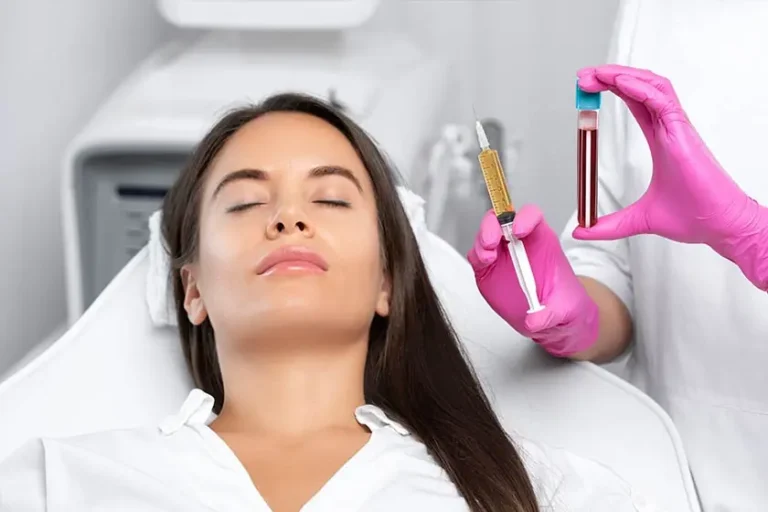
Platelet-rich plasma, or PRP, uses a concentrated portion of your own blood containing platelets and growth factors. After blood is collected and processed, the platelet-rich portion may be injected into a targeted area as part of a doctor-led regenerative treatment plan. PRP is commonly considered for joint, tendon, soft-tissue, skin, and hair concerns, but the right approach depends on your diagnosis, overall health, and treatment objectives.
Preparing for PRP Starts With a Complete Consultation
A high-quality consultation is more than a scheduling step. It is where your clinician determines whether PRP is appropriate, what technique may be suitable, and whether it should be used alone or alongside another therapy. Be ready to describe your symptoms in practical terms: when they began, what makes them better or worse, previous treatments, activity limitations, and the outcome that would make treatment worthwhile for you.
Bring relevant medical records, imaging reports, and details of prior injections, surgeries, or rehabilitation when available. For a musculoskeletal concern, an MRI, ultrasound, or X-ray may help clarify whether pain is coming from a tendon, joint, ligament, or another structure. For hair or aesthetic PRP, photographs and a discussion of changes over time can help establish a realistic baseline.
Your clinician should also know about chronic conditions such as diabetes, autoimmune disease, cardiovascular disease, active infection, anemia, bleeding disorders, or cancer history. These do not always rule out treatment, but they can affect timing, protocol, and expected response. Pregnancy, breastfeeding, and recent illness should also be discussed openly.
Review Medications and Supplements Carefully
Do not stop prescribed medication on your own. This is especially important for blood thinners, antiplatelet medicines, steroids, diabetes medication, and medications used for cardiovascular conditions. Your prescribing physician and PRP clinician should guide any changes. For some patients, stopping a medication is not appropriate, even if it may influence platelet activity.
Nonsteroidal anti-inflammatory drugs, often called NSAIDs, are another common question. These include medications such as ibuprofen, naproxen, and aspirin. Because PRP treatment aims to use the body’s natural platelet signaling response, some clinicians ask patients to avoid certain anti-inflammatory medications before and after treatment. The timing is not universal and should be individualized. Ask for clear instructions rather than assuming every over-the-counter pain reliever is suitable.
Supplements deserve the same attention. Fish oil, vitamin E, turmeric, garlic, ginkgo, and certain herbal products may affect bleeding or platelet function in some people. Share everything you take, including vitamins, powders, teas, hormone therapies, and wellness injections. A premium regenerative plan should account for the full picture, not just a medication list.
Support Your Blood Draw With Simple, Consistent Habits
PRP is derived from your own blood, so arriving well hydrated is one of the most practical ways to prepare. Unless your clinical team gives different instructions, drink water consistently the day before and on the morning of your appointment. Good hydration can make the blood draw easier and may reduce the chance of feeling lightheaded afterward.
Eat a balanced meal before your visit unless you have been specifically instructed to fast. A meal with protein, complex carbohydrates, and healthy fats can help keep your energy steady. Avoid arriving after a long period without food simply because you expect a quick appointment. Blood collection can be more comfortable when you are nourished and hydrated.
Alcohol is generally best avoided for at least a day or two before PRP, depending on your clinician’s protocol. It can contribute to dehydration and may affect recovery habits. Smoking and nicotine use may also work against the circulation and tissue-healing environment your treatment is designed to support. If reducing or stopping nicotine feels difficult, raise it during your consultation. Honest planning is more useful than unrealistic promises.
The days before treatment are also a good time to prioritize sleep. One perfect night will not transform a clinical result, but adequate rest supports energy, stress regulation, and recovery. Think of PRP as part of a wider restoration strategy, not a standalone shortcut.
Plan the Appointment Around the Treatment Area
The practical details differ according to where PRP is being used. For a knee, shoulder, hip, elbow, or tendon procedure, wear loose clothing that allows easy access to the treatment area. You may be asked to limit strenuous activity afterward, so organize transportation and work commitments accordingly. Some patients can drive themselves, while others may prefer a companion, particularly if they are anxious about needles or are having a procedure that affects mobility.
For scalp PRP, wash your hair before arriving unless instructed otherwise. Avoid heavy styling products, hair fibers, or scalp concealers that could interfere with skin preparation. For facial PRP or procedures combined with microneedling, arrive with clean skin and without makeup, active skincare products, or self-tanner on the treatment area.
If you are being treated for a sports injury, do not schedule an intense workout immediately before your appointment. A clinician may want to assess your natural movement pattern, swelling, and tenderness without the temporary effects of a demanding training session. Similarly, plan a sensible return to activity afterward. The goal is to protect the treated tissue without becoming unnecessarily inactive.
Know What Treatment Day May Feel Like
PRP begins with a routine blood draw. The sample is then processed to separate and concentrate the platelet-rich component before the clinician administers it to the planned area. Depending on the indication, ultrasound guidance may be used to improve precision for musculoskeletal injections.
Most patients find the blood draw straightforward. The injection itself can cause pressure, stinging, or temporary discomfort, especially in sensitive or inflamed tissue. Some protocols use local anesthetic, while others limit it because of the treatment area and clinical preference. Ask in advance what pain-management approach is planned, particularly if you have previously found injections difficult.
After PRP, temporary soreness, stiffness, bruising, or swelling can occur. This may be part of the short-term response to the procedure, but severe pain, rapidly increasing swelling, fever, unusual drainage, shortness of breath, or signs of an allergic or systemic reaction require prompt medical advice. Your clinic should provide direct aftercare instructions and explain exactly whom to contact with concerns.
Set Expectations That Respect Biology
PRP is often appealing because it uses components from your own blood, yet natural does not mean immediate or guaranteed. Response can vary with age, tissue quality, diagnosis, the severity and duration of the condition, lifestyle factors, and the protocol used. Some people notice gradual changes in comfort, function, skin quality, or hair shedding over time. Others may need a series of sessions, a rehabilitation plan, or a different treatment pathway.
For orthopedic concerns, PRP may be one component of a broader program that includes guided exercise, mobility work, weight management, or other biologic options. For aesthetic and hair indications, a treatment series and maintenance schedule may be recommended. The most valuable question is not simply, “How soon will I see results?” Ask, “What is the realistic timeline for my specific concern, and how will we measure progress?”
At CellStemClinic, regenerative care is approached as a personalized process, with PRP considered in the context of your health goals, function, and long-term vitality. That perspective matters because the best preparation continues after the appointment: following aftercare, attending recommended reviews, and giving the body the conditions it needs to respond.
Questions Worth Asking Before Your PRP Procedure
Before confirming treatment, make sure you understand the diagnosis being addressed, the reason PRP has been recommended, and what alternatives may be appropriate. Ask whether imaging guidance will be used, whether a single session or series is anticipated, and what your activity restrictions will be in the first days and weeks.
You should also ask which medications and supplements to avoid, whether you need a ride home, and what pain relief options are permitted after treatment. Finally, ask how the clinic will evaluate results. Clear milestones, whether they involve pain scores, movement, sports performance, photographs, or functional goals, create a more informed and reassuring treatment experience.
The most effective way to prepare is to arrive informed, hydrated, and ready for a candid medical conversation. PRP works best as a purposeful step in a carefully designed plan for recovery, renewal, and better function.

