

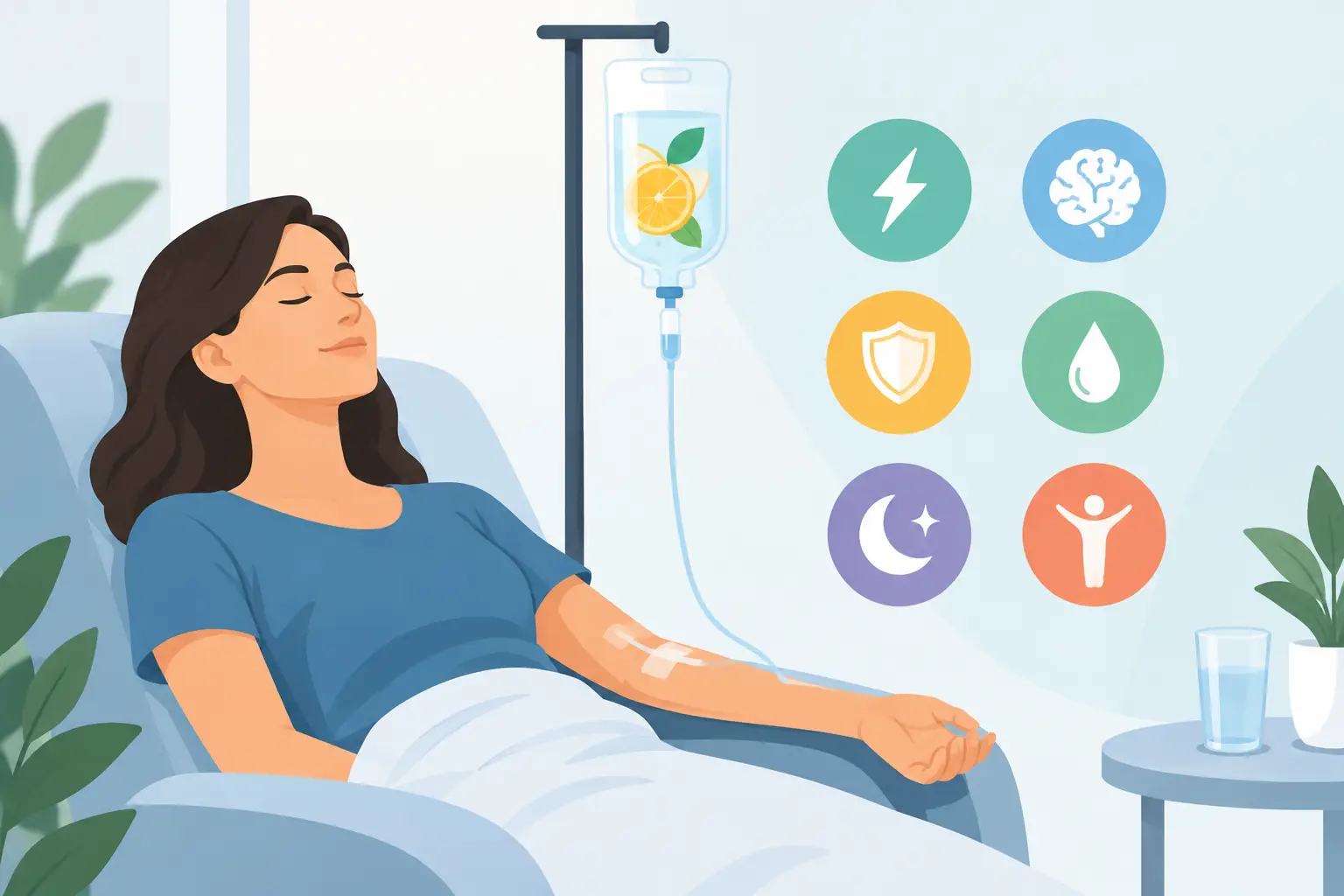
Best IV Drips for Fatigue: What Actually Helps
Fatigue that lingers beyond a hard week is rarely solved by simply drinking more coffee. For adults balancing demanding careers, travel, recovery, aging concerns, or chronic health challenges, the search for the best IV drips for fatigue often reflects a deeper question: why has the body’s energy reserve become so difficult to restore?
An IV infusion can be a valuable part of a personalized wellness or recovery plan, particularly when dehydration, poor nutrient intake, restricted absorption, or a documented deficiency is contributing to low energy. But there is no single “best” drip for every person. The most effective approach begins with clinical assessment, not a menu of ingredients.
Why fatigue deserves a more precise assessment
Fatigue is not the same as ordinary sleepiness. It may feel like reduced physical stamina, brain fog, slow exercise recovery, diminished motivation, or the sense that normal tasks require disproportionate effort. In some cases, it follows a demanding period of travel, illness, training, or poor sleep. In others, it can be connected to anemia, thyroid dysfunction, diabetes, infection, medication effects, mood disorders, hormonal changes, sleep apnea, or nutritional deficiencies.
That distinction matters. An infusion may support hydration and nutrient replenishment, but it should not delay evaluation of persistent, worsening, or unexplained symptoms. New severe fatigue with chest pain, shortness of breath, fainting, fever, confusion, black stools, or unexplained weight loss requires prompt medical attention.
For non-urgent but ongoing symptoms, a physician-led review may include medical history, sleep patterns, diet, medications, activity levels, and targeted blood work. This allows treatment to be tailored to what the body may actually need rather than what happens to be popular.
Best IV drips for fatigue depend on the cause
IV therapy delivers fluids and selected nutrients directly into the bloodstream. This can be useful where oral intake is difficult, hydration is genuinely depleted, or there is a clinical reason to correct a confirmed deficiency under medical supervision. However, IV administration is not automatically superior to oral nutrition for everyone.
Hydration and electrolyte infusions
Dehydration can present as tiredness, headache, dizziness, dry mouth, reduced concentration, and a racing heart, particularly after long flights, heat exposure, gastrointestinal illness, intense activity, or inadequate fluid intake. A balanced hydration infusion may contain sterile fluids and electrolytes that help support normal fluid balance.
This is often the most relevant option when fatigue is clearly tied to fluid loss or demanding travel. It is less likely to address fatigue caused by iron deficiency, poor sleep, thyroid disease, or depression. People with heart failure, kidney disease, or conditions that affect fluid balance need individualized medical guidance, since excess fluid can be harmful.
B-complex and vitamin B12 support
B vitamins help the body process nutrients for energy metabolism, while vitamin B12 plays a central role in nerve function and red blood cell formation. A true B12 deficiency can contribute to fatigue, weakness, numbness or tingling, balance concerns, sore tongue, and cognitive changes.
B12 support may be particularly appropriate for individuals with documented low levels, certain digestive conditions, a history of gastric surgery, restrictive diets, or medications that interfere with absorption. For someone whose B12 level is already healthy, a high-dose infusion may not create the dramatic energy change they expect. The goal should be correction of need, not stimulation for its own sake.
Vitamin C and antioxidant-focused infusions
Vitamin C is involved in collagen formation, immune function, and antioxidant activity. It is frequently included in wellness infusions for people seeking recovery support during periods of stress, frequent travel, or reduced dietary intake.
The trade-off is that “antioxidant” does not mean universally appropriate or proven to resolve chronic fatigue. High-dose vitamin C requires thoughtful screening, particularly for people with kidney impairment, a history of kidney stones, or glucose-6-phosphate dehydrogenase deficiency. A medically supervised program should review these considerations before treatment.
Magnesium-containing infusions
Magnesium contributes to normal muscle and nerve function and participates in hundreds of biochemical reactions. Low magnesium may be associated with muscle cramps, weakness, poor sleep, headaches, and low energy, although these symptoms can have many causes.
A magnesium-containing infusion may suit a patient with a clinically identified deficiency or a pattern of symptoms and lifestyle factors that justify further assessment. Because magnesium can affect blood pressure and heart rhythm, dose and infusion speed should be determined by qualified clinicians, especially for patients with kidney disease or cardiac concerns.
Iron infusion for diagnosed iron deficiency
Iron deserves separate treatment because it is not a casual wellness add-on. Iron deficiency, with or without anemia, can cause substantial fatigue, reduced exercise tolerance, palpitations, headaches, hair shedding, and difficulty concentrating. When blood tests confirm deficiency and oral iron is ineffective, not tolerated, or unsuitable, a clinician may recommend intravenous iron.
This can be highly meaningful for the right patient, including some people with heavy menstrual bleeding, malabsorption, inflammatory bowel disease, or ongoing blood loss. Yet iron should never be administered simply because someone feels tired. Excess iron can cause harm, and the underlying reason for deficiency still needs to be investigated.
What a high-quality fatigue infusion plan looks like
The premium standard is not the longest ingredient list. It is a thoughtful program that matches treatment to the patient’s biology, health history, and goals.
Before an infusion, a qualified team should discuss allergies, medications, kidney and heart health, pregnancy status, prior reactions, and relevant laboratory findings. They should explain what is in the drip, why each component has been selected, what sensations to expect, and what potential side effects may occur.
During treatment, trained staff should monitor the patient and use appropriate sterile procedures. Mild effects can include coolness at the infusion site, temporary flushing, altered taste, or bruising. More significant reactions are uncommon but possible, including inflammation of the vein, allergic reaction, fluid overload, or issues related to dosing. Medical oversight is what turns an infusion from a convenience purchase into a responsible therapeutic experience.
At CellStemClinic, the broader philosophy of restorative care is to look beyond a temporary energy boost. IV therapies can be considered alongside nutrition, sleep restoration, movement, stress physiology, hormone and metabolic assessment where appropriate, and doctor-guided recovery strategies. For some patients, a single targeted infusion may be enough. For others, fatigue is a signal that a longer, more personalized health plan is needed.
The limits of IV therapy for chronic tiredness
An infusion can leave a dehydrated traveler feeling noticeably better, but it cannot replace sleep or resolve every biochemical, emotional, or medical driver of fatigue. Repeated drips without reassessment can become expensive and may mask an underlying condition that needs direct care.
Be cautious of claims that promise instant, permanent energy, detoxification, or treatment for complex diseases without diagnosis. Genuine vitality is more durable when the foundations are addressed: adequate sleep, sufficient protein and micronutrients, hydration, manageable training load, treatment of medical conditions, and a plan that respects the body’s recovery capacity.
Choosing your next step
If fatigue has lasted more than a few weeks, is affecting work or quality of life, or keeps returning after short-lived improvements, arrange a clinical evaluation before selecting an infusion. Bring recent test results if available and be candid about sleep, diet, medications, alcohol use, menstrual changes, stress, and recent illness.
The best choice is not necessarily the most elaborate drip. It is the one chosen for a clear clinical reason, delivered safely, and placed within a plan that helps your energy become more resilient over time.

