

Bone Marrow Concentrate Guide for Joint Care
A painful knee that limits stairs, a shoulder that no longer tolerates tennis, or persistent tendon discomfort can make conventional options feel frustratingly narrow. This bone marrow concentrate guide explains what BMC is, what a treatment visit may involve, and the questions that help patients make a thoughtful decision about regenerative care.
Bone marrow concentrate is not a replacement joint, a cosmetic injection, or a guaranteed cure. It is an autologous biologic procedure, meaning the material used comes from the patient’s own body. For appropriately selected patients, it may be considered as part of a personalized strategy focused on pain, mobility, tissue support, and a more active quality of life.
What Is Bone Marrow Concentrate?
Bone marrow is a soft, vascular tissue found within bones, most commonly accessed at the back of the pelvic bone for this procedure. It contains a complex population of cells and signaling components, including progenitor cells, mesenchymal stromal cells, platelets, growth factors, and cytokines.
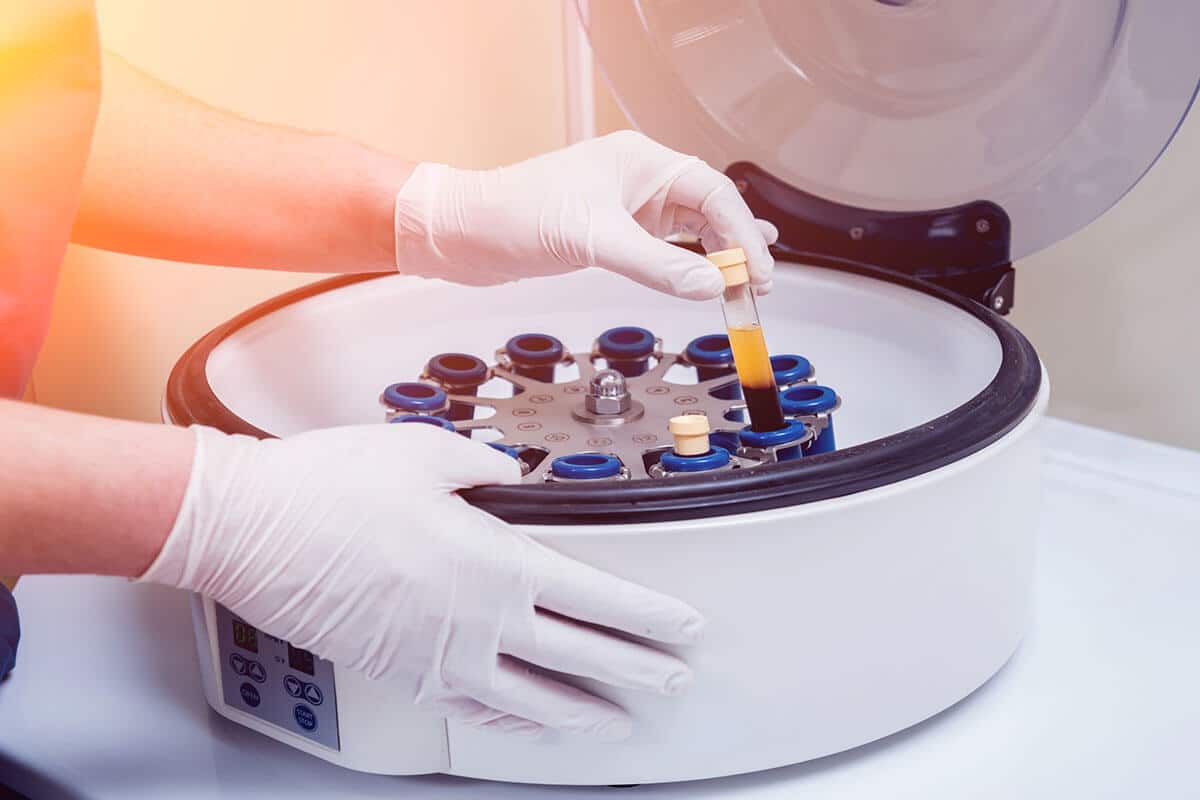
During BMC treatment, a clinician aspirates a small volume of marrow, processes it in a sterile centrifuge system, and concentrates selected components into a smaller injectable volume. The resulting preparation is then delivered to a targeted area, often with ultrasound or fluoroscopic guidance when precision is needed.
The word concentrate matters. BMC is not the same as laboratory-expanded stem cell therapy, and it does not mean that a clinician is injecting a purified, high-dose stem cell product. It is a same-day concentrate of naturally occurring marrow elements. Its clinical appeal lies in the possibility of delivering biologically active cells and signals directly to an area where the body may benefit from additional regenerative support.
Why Patients Consider BMC Therapy
Many patients begin exploring bone marrow concentrate after conservative care has not produced the progress they hoped for. They may have tried activity modification, physical therapy, anti-inflammatory medication, bracing, or standard injections, yet still feel limited by discomfort or declining function.
BMC is commonly discussed in the context of musculoskeletal concerns, including osteoarthritis-related joint pain, cartilage wear, tendon disorders, ligament injuries, and certain spine-related pain conditions. Athletes may also consider regenerative procedures when they are looking to support recovery while preserving long-term function.
However, the best candidates are not simply those with the most pain. A doctor-led assessment should consider the diagnosis, imaging findings, severity of degeneration, joint alignment, general health, medications, previous procedures, and personal goals. A patient with early to moderate degenerative changes and a clear treatment target may have a different outlook than someone with advanced bone-on-bone disease, major instability, or a condition requiring surgical correction.
For many people, the most valuable question is not whether BMC can regenerate everything. It is whether it may fit sensibly within a broader plan designed to reduce symptoms, support function, and potentially delay more invasive intervention when medically appropriate.
The Bone Marrow Concentrate Procedure Step by Step
A well-designed BMC program starts before the procedure day. The consultation should establish whether the patient’s condition is suitable for regenerative treatment and whether there are more appropriate alternatives. This may include a review of medical history, current medications, laboratory work, and diagnostic imaging.
On the day of treatment, the collection site is cleaned and numbed with local anesthetic. Most marrow aspiration procedures are performed from the posterior iliac crest, located near the upper buttock. Patients may feel pressure during aspiration, but the process is typically brief. Some clinics may offer additional comfort measures depending on the treatment plan and patient needs.
The aspirate is then processed to create the concentrate. While this occurs, the clinician prepares the treatment area. The BMC is injected into the planned target, such as a joint, tendon, ligament, or surrounding tissue structure. Image guidance can be particularly valuable because it helps the physician place the biologic treatment with greater anatomical accuracy.
Afterward, patients are usually monitored briefly and receive individualized aftercare instructions. The exact recovery plan depends on the area treated. A knee injection may call for temporary reduction in impact activity, while a tendon or ligament protocol may require a more structured rehabilitation period.
What Recovery Can Look Like
Recovery from BMC therapy is a process, not an overnight event. It is common to experience soreness at the marrow collection site and temporary discomfort in the treated region. This early inflammatory response can be part of the body’s healing process, although any concerning or worsening symptoms should be assessed promptly by the treating medical team.
Some patients notice changes over several weeks, while others may require several months to assess meaningful functional improvement. Outcomes vary substantially according to the condition being treated, the degree of tissue damage, biomechanics, rehabilitation adherence, age, metabolic health, and everyday activity demands.
A regenerative procedure is often most productive when paired with a disciplined recovery strategy. That may include guided physical therapy, mobility work, progressive strengthening, weight management where relevant, sleep optimization, and nutritional support. The injection is one component of the plan, not a substitute for restoring the movement patterns and tissue capacity that protect the joint or tendon over time.
Benefits, Limits, and the Evidence
BMC is attractive because it uses a patient’s own biologic material and can be performed as a minimally invasive outpatient procedure. For the right patient, this may offer a pathway that feels more aligned with natural healing than repeated symptom-management interventions alone.
Still, patients deserve clarity about the limits. Published research on BMC for orthopedic conditions is expanding, but protocols vary widely. Studies differ in how marrow is collected, processed, injected, and measured, which makes direct comparisons difficult. Evidence may be encouraging for certain uses, particularly some degenerative joint conditions, but it is not equally strong for every diagnosis or every patient population.
No ethical clinic should promise cartilage regrowth, eliminate the need for surgery in every case, or present BMC as a proven cure for systemic disease. In the United States, the regulatory status of cellular and tissue-based treatments depends on how a product is sourced, processed, and used. Patients should ask their physician how a proposed procedure is being delivered and what is known about its intended use.
The goal is informed optimism: respect the potential of regenerative medicine while making decisions based on medical suitability, realistic expectations, and transparent clinical guidance.
Safety Considerations That Deserve Attention
Because BMC is autologous, the risk of immune rejection is generally lower than with donor-derived materials. That does not make the procedure risk-free. Potential complications can include pain, bruising, bleeding, infection, nerve or blood vessel injury, and a lack of clinical benefit. Injection into or around sensitive structures requires experience, careful technique, and appropriate imaging guidance.
Patients should disclose blood-thinning medications, autoimmune conditions, active infections, cancer history, allergies, and previous reactions to procedures or anesthetics. Certain health situations may require postponement, specialist clearance, or a different treatment path altogether.
Treatment quality also extends beyond the injection itself. Sterile processing, trained clinical staff, emergency preparedness, clear consent procedures, and follow-up access are essential. A premium regenerative program should feel reassuring not because it makes broad promises, but because it applies careful standards at every stage.
Choosing a BMC Provider
The right provider will take time to establish a diagnosis rather than treating every painful joint as the same problem. They should explain the collection technique, processing method, injection guidance, anticipated recovery, likely costs, and alternatives to treatment in language you can understand.
Ask how many similar procedures the clinician has performed, whether imaging guidance will be used, and what follow-up is included. It is also reasonable to ask what outcome measures the practice tracks, such as pain scores, function, mobility, and return to preferred activities. A credible physician will discuss uncertainty openly and will not pressure you to proceed if the expected benefit is unclear.
At CellStemClinic, regenerative treatment pathways are built around individualized medical assessment, advanced biologic procedures, and a restorative view of long-term health. BMC may be considered alongside complementary options such as platelet-rich plasma, rehabilitation support, and broader wellness strategies when clinically appropriate.
The most promising next step is a focused medical consultation that treats your symptoms in context. When BMC is chosen with precision, realistic expectations, and a commitment to recovery, it can become a considered part of a larger plan to move with greater confidence and protect the life you want to keep living.

