

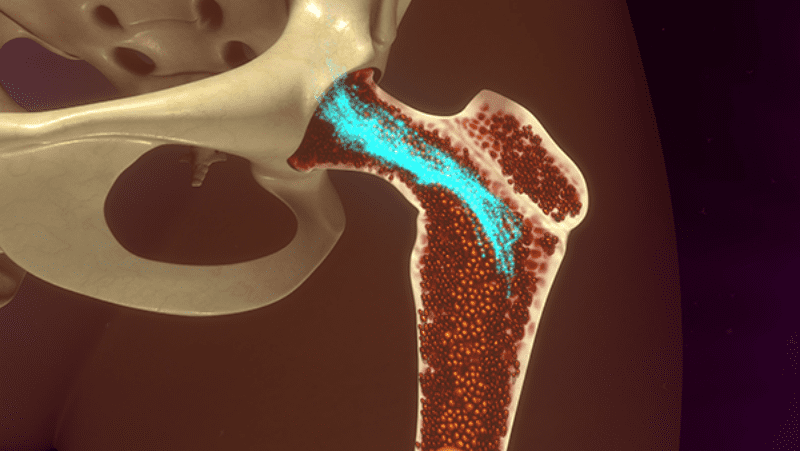
Bone Marrow Concentrate Therapy Explained
A painful knee that never quite settles, a tendon injury that keeps returning, or a back problem that limits how you move can change daily life more than most people expect. Bone marrow concentrate therapy has gained attention because it offers a medically progressive way to support repair using the body’s own regenerative potential rather than relying only on symptom control.
What bone marrow concentrate therapy is
Bone marrow concentrate therapy, often called BMC therapy, is a biologic treatment that uses concentrated cells and growth factors taken from a patient’s own bone marrow. The marrow is usually collected from the back of the pelvic bone in a carefully controlled clinical procedure, then processed so that the most valuable regenerative components can be concentrated and prepared for treatment.
This concentrate may contain mesenchymal stem cells, progenitor cells, signaling molecules, and other supportive elements involved in tissue repair. The exact cellular makeup varies from patient to patient, which is one reason regenerative medicine is highly personalized. The treatment is not about replacing the body’s healing systems. It is about supporting and amplifying them where healing has become slow, incomplete, or compromised.
For patients exploring advanced options, that distinction matters. This is not a generic wellness treatment. It is a doctor-led biologic procedure designed to work with the body’s own repair mechanisms.
Why patients consider bone marrow concentrate therapy
Most people do not start by looking for regenerative medicine. They start by looking for relief, function, and a way back to normal life. Many have already tried medications, rest, physical therapy, injections, or repeated conservative care with limited success. Others want to delay surgery, reduce downtime, or pursue a more natural treatment pathway before moving to more invasive intervention.
That is where bone marrow concentrate therapy may become relevant. It is often considered in cases where tissue quality, inflammation, degeneration, or impaired recovery are part of the problem. Common areas of interest include joints, tendons, ligaments, cartilage support, and certain musculoskeletal conditions where conventional options may manage symptoms but do not always support deeper biologic repair.
For active adults, athletes, and patients focused on healthy aging, the appeal is clear. The treatment uses autologous material, meaning it comes from the patient’s own body. That can be reassuring for people who want an advanced yet natural regenerative approach under medical supervision.
How the procedure typically works
The process begins with assessment. A qualified physician reviews symptoms, medical history, imaging when available, previous treatments, and overall suitability. Not every patient is an ideal candidate, and careful screening is part of responsible regenerative care.
If treatment is appropriate, bone marrow is aspirated, usually from the posterior iliac crest, which is part of the pelvis. This is performed with local anesthesia and clinical precision. Patients often ask whether the procedure is painful. Most describe pressure or brief discomfort rather than severe pain, especially when the procedure is carried out by an experienced team.
The collected marrow is then processed to produce a concentrated preparation rich in regenerative cells and bioactive factors. That concentrate is delivered to the target area, often using image guidance to improve placement accuracy. Depending on the condition, the entire visit may be completed in a single treatment session, though some treatment plans include additional supportive therapies.
Recovery varies. Some patients experience soreness for a few days, followed by gradual improvement over weeks and months. Regenerative medicine rarely works like a numbing injection. It is designed to support biologic change, and that process takes time.
What bone marrow concentrate therapy may help support
The most established interest in bone marrow concentrate therapy is in orthopedic and sports medicine settings. Patients commonly explore it for joint degeneration, tendon injury, ligament strain, cartilage wear, overuse injuries, and persistent pain associated with chronic musculoskeletal dysfunction.
In the right setting, the goal is not simply to mute pain. The broader objective is to create a better healing environment. That may mean supporting tissue recovery, improving function, reducing inflammatory activity, and helping patients return to movement with more confidence.
There is also growing interest in how concentrated bone marrow-derived cells may fit into wider regenerative programs. In premium clinics offering integrated treatment pathways, BMC may be considered alongside therapies such as PRP, stem cell-based approaches, rehabilitation planning, and wellness support. That kind of tailored strategy can matter because a single injection is not always the full story. Healing outcomes are often influenced by age, tissue condition, metabolic health, inflammation, and the quality of aftercare.
Benefits patients often find appealing
One of the strongest advantages is that the treatment is derived from the patient’s own biology. For many people, that feels more aligned with the idea of natural restoration than repeated pharmaceutical intervention. The procedure is also minimally invasive compared with surgery, which is a major consideration for patients balancing work, family, travel, and recovery time.
There is also the appeal of personalization. Bone marrow concentrate therapy is not a mass-market treatment delivered the same way to everyone. It is typically adapted to the individual condition, target area, and broader health profile. In a high-level regenerative clinic, that customization is part of the value.
Another reason patients look closely at this therapy is the possibility of longer-term functional improvement. Results vary, and no ethical clinic should promise certainty. Still, for selected patients, the aim is meaningful progress in mobility, comfort, and quality of life rather than temporary suppression of symptoms.
Important limits and trade-offs
This is where clear medical guidance matters. Bone marrow concentrate therapy is promising, but it is not a miracle treatment and it is not right for every diagnosis. Severe structural damage, advanced joint collapse, major instability, active infection, some malignancies, and certain systemic health issues may reduce suitability or expected benefit.
It also matters to understand that outcomes depend on more than the injection itself. Age, biological reserve, lifestyle, smoking status, rehabilitation compliance, and the chronicity of the condition all influence response. A patient with mild to moderate degeneration and good overall health may respond differently than someone with advanced disease and multiple failed surgeries.
There is also a difference between symptom improvement and tissue regeneration that can be measured on imaging. Some patients feel better before structural changes are visible. Others may gain only partial improvement. Premium regenerative medicine should be presented with optimism, but also with honesty.
How bone marrow concentrate therapy compares with PRP
Patients often ask whether BMC is simply a stronger version of PRP. The short answer is no. Platelet rich plasma is derived from blood and is rich in platelets and growth factors. Bone marrow concentrate is derived from marrow and may provide a broader cellular profile, including progenitor populations and other regenerative components.
That does not mean BMC is automatically better in every case. PRP may be appropriate for certain soft tissue injuries, milder cases, or as part of a staged plan. Bone marrow concentrate therapy may be considered when a more advanced cellular approach is desired, particularly in degenerative or complex musculoskeletal cases. The best option depends on the treatment target, patient goals, and physician assessment.
Choosing the right clinic matters
Because regenerative medicine is highly technique-sensitive, the quality of the clinic can shape the experience as much as the treatment itself. Patient evaluation, aspiration method, processing standards, image-guided placement, sterility, and aftercare planning all matter. So does clinical judgment.
Patients considering BMC should look for medically supervised care, transparent communication, and a treatment philosophy that combines innovation with responsible case selection. A premium regenerative clinic should explain what the therapy can realistically offer, where uncertainty remains, and how treatment fits into a broader strategy for recovery and rejuvenation.
At CellStemClinic, this kind of treatment is best understood not as an isolated procedure, but as part of a wider regenerative vision – one centered on supporting the body’s own ability to restore function, resilience, and vitality.
Is bone marrow concentrate therapy worth considering?
For the right patient, it may be. If you are dealing with persistent orthopedic pain, slow healing, degenerative change, or reduced function and want to explore a more advanced biologic option, bone marrow concentrate therapy may offer a compelling next step. It sits at the meeting point of modern procedural medicine and natural self-repair, which is exactly why it continues to attract patients seeking more than temporary relief.
The most useful question is not whether the treatment sounds innovative. It is whether your condition, goals, and biology make you a strong candidate for it. That conversation, guided by experienced regenerative clinicians, is often where real progress begins.

