

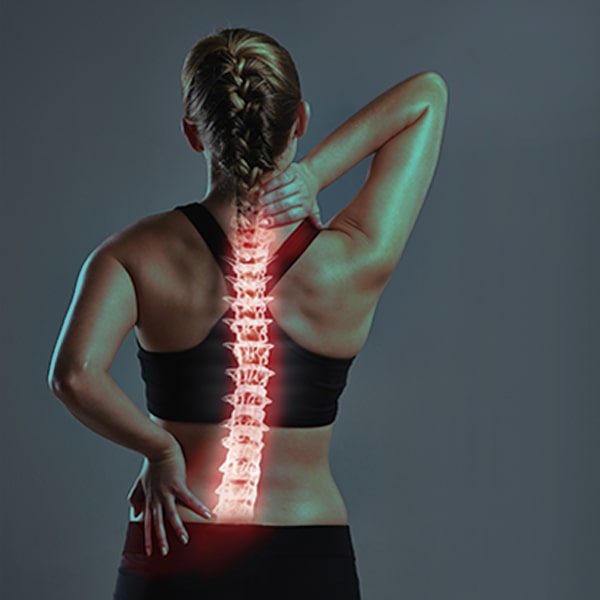
Stem Cell Recovery for Spinal Injury
A spinal cord injury changes life in an instant, but recovery rarely follows a single straight path. For patients who have plateaued with conventional rehabilitation or want to explore more advanced options, stem cell recovery for spinal injury has become one of the most closely watched areas in regenerative medicine.
The reason is simple. Damage to the spinal cord affects far more than movement. It can alter sensation, bladder and bowel function, pain levels, muscle control, independence, and long-term quality of life. Standard care remains essential, especially in the acute phase, but many patients and families continue searching for therapies that may support the body’s own repair mechanisms beyond stabilization and rehab alone.
What stem cell recovery for spinal injury means
Stem cell therapy for spinal injury is not a single procedure with a single outcome. It refers to a group of regenerative approaches designed to support healing in damaged neural tissue, reduce inflammatory stress, and potentially improve the environment around the injured spinal cord.
In simplified terms, stem cells are used because they may help the body repair itself. Depending on the treatment protocol, these cells can release signaling molecules, influence inflammation, support surrounding cells, and encourage tissue regeneration. In neurological care, the goal is typically not to promise a dramatic overnight reversal. The more realistic aim is to create better conditions for recovery, preserve existing function, and, in some cases, support measurable gains over time.
That distinction matters. Patients considering advanced regenerative care should look for medically supervised treatment plans that are honest about both the potential and the limits.
Why spinal injuries are so difficult to treat
The spinal cord has limited natural regenerative capacity. Once injured, the body faces several barriers to repair. There may be direct trauma to nerve cells, reduced blood supply, chronic inflammation, scar formation, and disruption of the signals that normally travel between the brain and body.
Even after emergency care and surgery, many patients are left managing the secondary effects of injury. Muscles weaken. Spasticity may develop. Pain can become chronic. Rehabilitation can improve strength, adaptation, and function, but it does not always restore damaged neurological pathways.
This is where regenerative medicine has generated serious interest. Rather than focusing only on compensation for loss, cellular therapy aims to support biological restoration where possible. That does not mean every spinal injury can be repaired. It means the treatment strategy shifts from symptom management alone toward regeneration, protection, and functional support.
How stem cells may support recovery
Modulating inflammation
After spinal cord injury, inflammation can be both necessary and harmful. Early inflammatory activity is part of the body’s response to trauma, yet prolonged or excessive inflammation may worsen tissue damage. Certain stem cell populations, particularly mesenchymal stem cells, are being studied for their ability to regulate inflammatory signaling in a more balanced way.
This matters because a calmer tissue environment may help protect surviving cells and improve the conditions needed for recovery.
Supporting nerve cell survival
Stem cells may release growth factors and bioactive molecules that support neurons and surrounding support cells. These signals can help promote cell survival, improve communication between tissues, and potentially reduce the cascade of ongoing degeneration that sometimes follows the initial injury.
Encouraging repair pathways
In some settings, stem cell-based therapy may help stimulate repair processes, including support for remyelination, vascular health, and tissue regeneration. The practical effect varies. Some patients may notice changes in strength, coordination, sensation, stamina, or pain. Others may see more subtle improvements that become meaningful only when combined with targeted rehabilitation.
Working alongside rehabilitation
One of the most important points is that regenerative treatment is usually not a replacement for rehab. It is best understood as part of a broader recovery strategy. Physical therapy, occupational therapy, neurological follow-up, and functional retraining still play a central role. If the body gains a better biological platform for repair, rehabilitation helps translate that into real-world function.
Who may be a candidate
Not every patient with a spinal injury is an ideal candidate for stem cell therapy, and timing matters. Some are evaluated in the subacute phase after injury, while others seek treatment months or years later for chronic deficits. The best candidates are typically those who are medically stable, have clear diagnostic imaging and neurological assessment, and understand that outcomes can vary.
The type of injury also influences expectations. A partial injury is different from a complete injury. Compression injury is different from transection. An injury with ongoing degeneration may call for a different treatment discussion than a stable but chronic neurological deficit.
A thorough review should consider the level of injury, how long ago it occurred, the extent of functional loss, previous surgeries, current rehabilitation progress, and any complicating conditions. Premium regenerative care should never be one-size-fits-all. It should be customized, doctor-led, and grounded in realistic clinical judgment.
What patients often want to know about results
The first question is usually whether stem cell treatment can restore walking. Sometimes it may contribute to meaningful gains, but that is not the right benchmark for every case. Recovery after spinal injury is multi-layered. For one patient, improved trunk stability or hand function may be life-changing. For another, reduced neuropathic pain or better bladder control may represent a major advance in daily independence.
Results depend on many variables, including age, injury severity, treatment timing, baseline function, associated rehabilitation, and overall health. Some patients respond more clearly than others. Some improvements emerge gradually rather than immediately.
That is why responsible clinics focus on potential benefit rather than guaranteed outcomes. Regenerative medicine is advanced and promising, but it is still biologically complex. Patients deserve optimism supported by medical honesty.
Safety and treatment planning
Safety is central in any discussion of spinal cord treatment. The method of cell preparation, source of cells, route of administration, sterility standards, physician oversight, and patient selection all matter. A high-quality clinic environment should place strong emphasis on medical screening, individualized planning, and close follow-up.
Patients should also understand that advanced therapy does not eliminate the need for conventional care. Imaging, neurological evaluations, medication review, and rehabilitation support remain important. The most effective programs are integrated rather than isolated.
For international patients or those seeking private regenerative options, this level of structure can be especially important. Sophisticated care is not just about access to stem cells. It is about the quality of assessment behind the treatment and the strategy that follows it.
The role of hope, with the right expectations
Spinal cord injury can leave patients feeling that they have exhausted their options. That emotional reality is one reason regenerative medicine resonates so strongly. It offers a different framework – one centered on healing potential, cellular support, and biological recovery.
Still, hope works best when it is informed. Stem cell recovery for spinal injury is not magic, and it is not identical in every clinic or every patient. It is an evolving medical field that may offer meaningful support for selected individuals, especially when combined with expert rehabilitation and careful long-term management.
For patients who want more than symptom control, that possibility matters. A medically progressive clinic can help evaluate whether regenerative treatment fits the injury profile, health status, and recovery goals of the individual. At CellStemClinic, that philosophy aligns with a broader commitment to personalized regenerative care that aims to restore function, support natural healing, and improve quality of life with advanced physician-guided treatment.
The most valuable next step is not chasing unrealistic promises. It is choosing a clinical team that respects both the science and the human stakes, then building a recovery plan around what may still be possible.

