

Stem Cell Therapy for Multiple Sclerosis
Multiple sclerosis can change daily life in quiet, frustrating ways. A weaker grip, heavier legs, blurred vision, sudden fatigue, or the sense that your body is no longer fully cooperating – these are often the moments that lead people to ask whether stem cell therapy for multiple sclerosis could offer something beyond standard symptom control.
For many patients, that question comes after years of medication changes, relapses, imaging scans, and uncertainty. Conventional MS care remains essential, especially for managing immune activity and slowing disease progression. But it does not always restore lost function, and it does not work the same way for every patient. That gap is why regenerative medicine has drawn so much attention.
What stem cell therapy for multiple sclerosis is meant to do
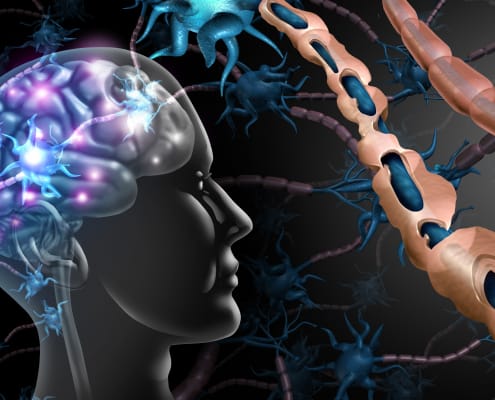
Multiple sclerosis is an autoimmune and neuroinflammatory condition in which the immune system attacks myelin, the protective covering around nerve fibers in the brain and spinal cord. Over time, this can disrupt signaling, trigger inflammation, and contribute to cumulative neurological damage.
Stem cell therapy is being explored because it may help in two key ways. First, certain stem cell-based approaches may modulate harmful immune activity. Second, some cell populations may support a more favorable environment for tissue repair, cellular signaling, and recovery. In a condition like MS, where inflammation and degeneration often overlap, that combination is clinically appealing.
The phrase stem cell therapy, however, covers very different treatments. Patients often hear one headline and assume all stem cell procedures are the same. They are not. The source of the cells, the treatment goal, the medical setting, and the patient profile all matter.
The different approaches behind stem cell therapy for multiple sclerosis
The most widely studied intensive approach is autologous hematopoietic stem cell transplantation, often called AHSCT. This involves collecting the patient’s own blood-forming stem cells, using chemotherapy to suppress or reset the immune system, and then reinfusing those cells. It is a serious medical procedure with meaningful risks, and it is usually considered for carefully selected patients with aggressive inflammatory MS.
A different category involves mesenchymal stem cells, often discussed in private regenerative medicine settings. These cells are of interest because of their immunomodulatory, anti-inflammatory, and trophic signaling properties. Rather than replacing damaged nerves directly, mesenchymal stem cells are generally understood to work through signaling effects that may reduce inflammatory activity and support the body’s own repair processes.
That distinction matters. AHSCT is an immune reset strategy. Mesenchymal stem cell therapy is more often positioned as a regenerative and restorative intervention designed to support healing physiology. These are not interchangeable options, and patients should not evaluate them as if they are.
Why patients are looking beyond standard MS treatment
Disease-modifying therapies have changed the outlook for many people with MS. They can reduce relapse frequency, lower inflammatory activity on MRI, and slow progression in some patients. Still, many people continue to struggle with fatigue, gait instability, spasticity, numbness, cognitive changes, weakness, or reduced stamina.
That is where regenerative care becomes attractive. Patients are often not looking for a miracle. They are looking for more stability, better resilience, less inflammatory burden, and a chance to improve function or quality of life. In premium private care settings, they also want personalized treatment planning rather than a one-size-fits-all pathway.
This interest is understandable, but expectations need to stay grounded. Stem cell therapy is not a guaranteed cure for MS. Response can vary widely depending on disease stage, inflammatory activity, age, disability level, overall health, and the specific treatment protocol used.
What the science suggests, and where caution is still needed
There is real scientific interest in stem cell-based therapies for MS, but the evidence is not uniform across all methods. AHSCT has the strongest body of clinical research for selected patients with highly active relapsing disease, particularly when standard treatment has failed. Even then, it is not appropriate for everyone, and the potential benefit must be weighed against treatment intensity and risk.
Mesenchymal stem cell therapy remains promising but more variable in the evidence base. Early and mid-stage research has explored safety, immune effects, neuroprotection, and possible functional benefit. Some findings are encouraging, especially around inflammation and symptom burden, but the field is still evolving. Protocols differ between clinics and studies, which makes direct comparison difficult.
This is one of the most important points for patients to understand. When reading about success stories, ask what type of cells were used, how they were delivered, what kind of MS the patient had, and what outcomes were actually measured. Better energy and better MRI findings are not the same result, and both are different from meaningful reversal of disability.
Who may be a candidate for treatment
Suitability is never based on diagnosis alone. A thoughtful assessment looks at whether the disease is relapsing or progressive, how active it is, what prior treatments have been used, and whether there is still enough neurological reserve to make functional improvement realistic.
Patients with active inflammatory disease may be evaluated differently from those with longstanding progressive MS and fixed disability. Someone early in the disease course may have a different regenerative potential than someone with advanced spinal cord involvement. Coexisting autoimmune conditions, infection risk, medication history, and general fitness also influence candidacy.
In a medically progressive clinic setting, treatment planning should be personalized and supervised rather than marketed as universally appropriate. That includes honest discussion about where stem cell therapy may be supportive, where the likely goal is stabilization rather than reversal, and where conventional neurology care remains central.
What treatment may involve in a private regenerative setting
A regenerative program for MS typically starts with medical review, imaging and history assessment, and a discussion of goals. Some patients prioritize mobility. Others are most concerned with fatigue, balance, bladder symptoms, or day-to-day independence. Those differences shape the care plan.
Depending on the clinic model, treatment may involve mesenchymal stem cell administration, adjunctive infusion support, and broader wellness or recovery protocols designed to reduce inflammatory stress and support tissue repair. This kind of integrated approach appeals to patients who want more than symptom management alone. It also reflects a growing view that neurological recovery is influenced by immune balance, vascular health, mitochondrial function, and systemic resilience.
At CellStemClinic, this style of care aligns with the wider philosophy of regenerative medicine: using advanced, medically supervised biologic therapies to support the body’s own healing capacity in a more targeted and restorative way.
Benefits patients hope to achieve
The most realistic goals are often improved quality of life, reduced inflammatory burden, better physical function, and slower decline. Some patients also seek support for energy, coordination, walking tolerance, or recovery after periods of neurological instability.
When outcomes are positive, the improvement may be gradual rather than dramatic. Patients sometimes expect regeneration to feel immediate. In reality, biological repair and immune modulation take time, and outcomes can be subtle at first. Better endurance, fewer symptom fluctuations, and steadier daily function may matter just as much as a major visible change.
That said, it depends on the underlying disease pattern. If symptoms are driven by active inflammation, reducing that burden may lead to more noticeable change. If damage is longstanding and structural, the aim may be to protect remaining function and support overall wellness rather than restore what has been lost.
Risks, limitations, and the questions worth asking
Any credible discussion of stem cell therapy for MS has to include limits. Not every patient improves. Not every clinic uses the same standards. And not every treatment marketed as advanced regenerative medicine is backed by the same level of scientific rigor.
Patients should ask how cells are sourced, how quality and safety are controlled, what physician oversight is in place, and what outcomes the clinic actually tracks. They should also ask what happens if no meaningful response occurs. A premium treatment should still come with transparent medical reasoning.
There are also practical considerations. Private regenerative care can require travel, recovery time, repeat visits, and significant financial commitment. For some patients, that investment feels justified because they are seeking options after exhausting conventional pathways. For others, the decision requires careful reflection.
A more complete way to think about MS care
The most productive view is not conventional medicine versus regenerative medicine. It is how to build the strongest possible care strategy for the individual patient. For some, that means maintaining neurologist-led disease control while exploring regenerative support to improve function and resilience. For others, it means considering advanced cellular therapy after standard treatment has not delivered enough stability.
Multiple sclerosis is not a simple disease, so treatment should not be simplistic either. Patients deserve clarity, scientific honesty, and therapies chosen for their biology, goals, and stage of disease – not generic promises.
For people living with MS, hope tends to become more practical over time. It is less about miracle language and more about walking better, thinking more clearly, feeling stronger, and protecting independence for longer. That is exactly why regenerative medicine remains such a compelling area of interest, and why the right conversation starts with possibility, but stays anchored in precision.

