

What Is Exosome Therapy and How Does It Work?
For people living with persistent pain, slower recovery, inflammatory symptoms, or the visible and functional effects of aging, the question is increasingly being asked: what is exosome therapy? It is an emerging regenerative approach that uses tiny cell-derived particles called exosomes to support communication between cells. The concept is compelling because many of the restorative effects associated with regenerative medicine may come not only from cells themselves, but also from the biological signals they release.
Exosome therapy is not a cure-all, and it should not be presented as a substitute for appropriate medical diagnosis or established care. However, it is an area of active scientific interest for patients seeking more personalized ways to support healing, tissue quality, recovery, and overall vitality under qualified medical supervision.
What Is Exosome Therapy?
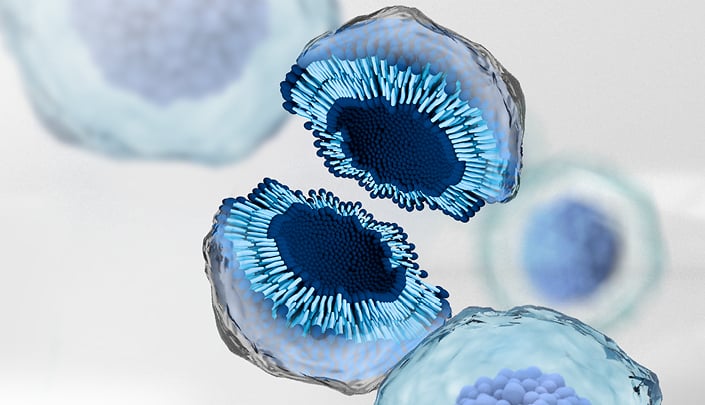
Exosomes are microscopic membrane-bound vesicles released naturally by many types of cells. They are far smaller than cells and cannot reproduce on their own. Their role is to transport biological messages between cells through substances such as proteins, lipids, growth factors, and genetic material, including RNA.
You can think of exosomes as cellular messengers. When the body is injured or under stress, cells constantly exchange signals that influence inflammation, immune activity, tissue repair, and the behavior of nearby cells. Exosomes are one method through which these messages travel.
In regenerative medicine, exosome-based products are commonly derived from cultured cells, often mesenchymal stromal cells, sometimes referred to as MSCs. These source cells are valued for their ability to release signaling factors associated with immune modulation and tissue-supportive activity. The exosomes are separated, processed, and prepared for clinical or research use according to the standards of the provider and the regulatory environment in which treatment is offered.
A key distinction matters here: exosome therapy does not place living stem cells into the body. Instead, it uses cell-derived signaling particles. That difference may appeal to patients who are interested in biologically informed regenerative strategies but want to understand exactly what is being administered.
How Exosome Therapy May Support Regeneration
The proposed value of exosome therapy lies in cell-to-cell communication. Rather than mechanically replacing damaged tissue, exosomes may influence the local environment around cells. Depending on their source, preparation, and route of administration, they may carry signals that are being studied for their potential to support healthy inflammatory responses, encourage repair processes, and promote vascular and tissue signaling.
This does not mean every exosome product has the same effect. Exosomes are not a single standardized medication. Their composition can vary substantially depending on the donor cells, culture conditions, purification methods, storage, dose, and quality controls used during production. That is one reason why a careful evaluation of product origin and clinical oversight is essential.
Researchers are investigating exosome-based approaches across several areas of regenerative care, including joint and soft-tissue concerns, skin quality and aesthetic rejuvenation, hair and scalp support, neurologic recovery, inflammatory conditions, and post-viral fatigue. The level of evidence differs widely between these applications. Some uses remain early-stage or investigational, while others are supported mainly by laboratory findings, animal research, small clinical studies, or patient-reported outcomes.
For the patient, the practical message is simple: exosome therapy should be approached as an evolving medical field, not as a guaranteed solution. A responsible treatment plan begins with your diagnosis, health history, goals, and the quality of the product being considered.
How Is Exosome Therapy Administered?
The administration method depends on the intended clinical objective. For localized musculoskeletal concerns, a practitioner may consider targeted injection into or around the affected area. For skin and aesthetic applications, exosome preparations may be applied topically following procedures designed to create temporary channels in the skin, such as microneedling or laser-based treatments.
Some clinics also discuss intravenous administration as part of broader wellness or regenerative programs. This route requires particular care, because systemic treatments involve different potential risks, product-handling requirements, and medical considerations than localized procedures. The appropriate route, if any, should be determined by a physician after assessing the individual patient rather than selected as a one-size-fits-all protocol.
A clinical appointment should include more than the procedure itself. Meaningful medical supervision includes reviewing medications and allergies, evaluating contraindications, discussing realistic outcomes, documenting the product and its source, and creating a follow-up plan. The treatment may be relatively brief, but the decision to proceed deserves the same attention as any advanced biologic intervention.
Potential Benefits and Realistic Expectations
Patients are often drawn to exosome therapy because it is positioned as a less invasive approach to supporting the body’s natural repair signaling. In the right setting, potential goals may include improved comfort, support for recovery after injury or training, enhanced skin texture, reduced visible signs of environmental stress, or improved quality of life alongside a wider health plan.
Yet results depend on many variables. The underlying condition matters. A recent tendon injury, for example, presents a very different biological situation than advanced osteoarthritis or long-standing nerve damage. Age, metabolic health, smoking status, sleep, nutrition, rehabilitation, medication use, and the severity of tissue degeneration can all affect recovery.
Exosome therapy may be most valuable when viewed as one component of a broader regenerative strategy. For some patients, that strategy may also include physical rehabilitation, weight management, anti-inflammatory lifestyle support, platelet-rich plasma, bone marrow concentrate, cellular therapies, or carefully selected medical treatments. The goal is not simply to pursue the newest intervention. It is to create conditions that give the body its best opportunity to function, repair, and adapt.
Safety, Regulation, and Questions to Ask
Safety is the most important issue in any biologic treatment. While exosomes are naturally occurring biological particles, a prepared exosome product is not automatically safe or appropriate simply because it is marketed as regenerative or natural. Risks may include infection, inflammation, allergic reaction, contamination, poor product consistency, or an unexpected immune response. The long-term effects of many exosome-based interventions are still being studied.
In the United States, there are currently no FDA-approved exosome products for treating disease or injury. This does not mean all scientific work in the field lacks promise. It does mean patients should be cautious about providers making guaranteed claims or implying that exosome therapy has been proven to treat every chronic, autoimmune, neurologic, or age-related condition.
Before considering treatment, ask direct questions. What is the source of the exosomes? How is the product processed, tested, stored, and transported? Is the proposed use supported by credible human evidence? Who will administer the treatment and manage complications if they occur? What are the expected benefits, alternatives, costs, and limits of the procedure?
A reputable clinic should welcome those questions. It should never pressure you into same-day treatment, obscure the origin of a biologic product, or promise permanent results. Premium regenerative care should be built on transparency, personalized assessment, and a willingness to say when an intervention is not the right fit.
Who May Consider Exosome Therapy?
Patients commonly explore exosome therapy when conventional approaches have not fully addressed their goals, or when they want to complement established treatment with a more regenerative focus. This can include active adults managing joint wear, athletes seeking recovery support, people interested in skin revitalization, and individuals focused on healthy aging and functional longevity.
It may not be appropriate for everyone. A physician should carefully review active infection, cancer history, autoimmune activity, pregnancy, bleeding disorders, immune suppression, and other factors that could affect safety or expected benefit. For children and patients with complex neurologic or systemic disease, the threshold for clinical caution should be even higher, with decisions guided by appropriately trained specialists.
The most productive consultation is not the one that offers the fastest promise. It is the one that clearly defines your goals, examines the biology behind your symptoms, and explains whether an advanced regenerative approach is reasonable in your situation. If exosome therapy is considered, choose a team that treats scientific rigor, product quality, and your long-term wellbeing as inseparable parts of care.

